

Last updated October 30, 2026
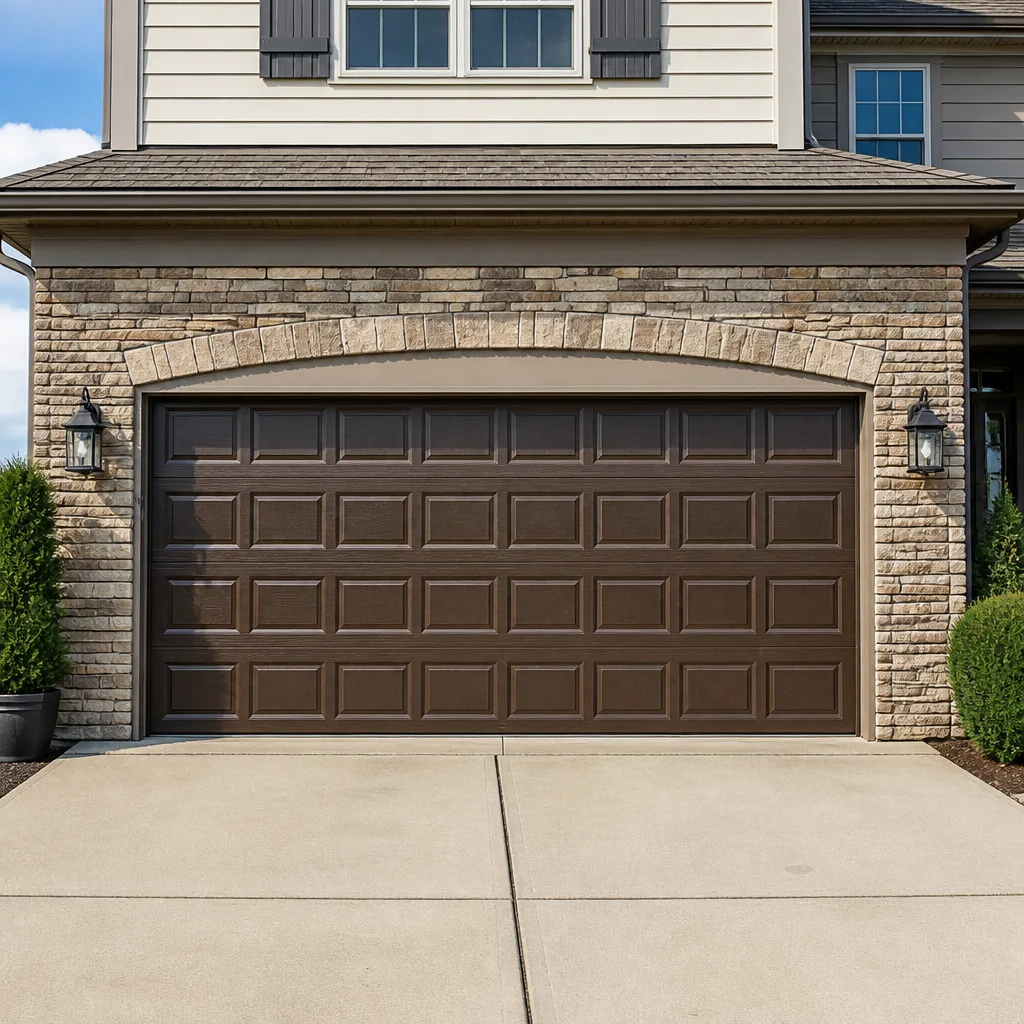 Raised-panel steel
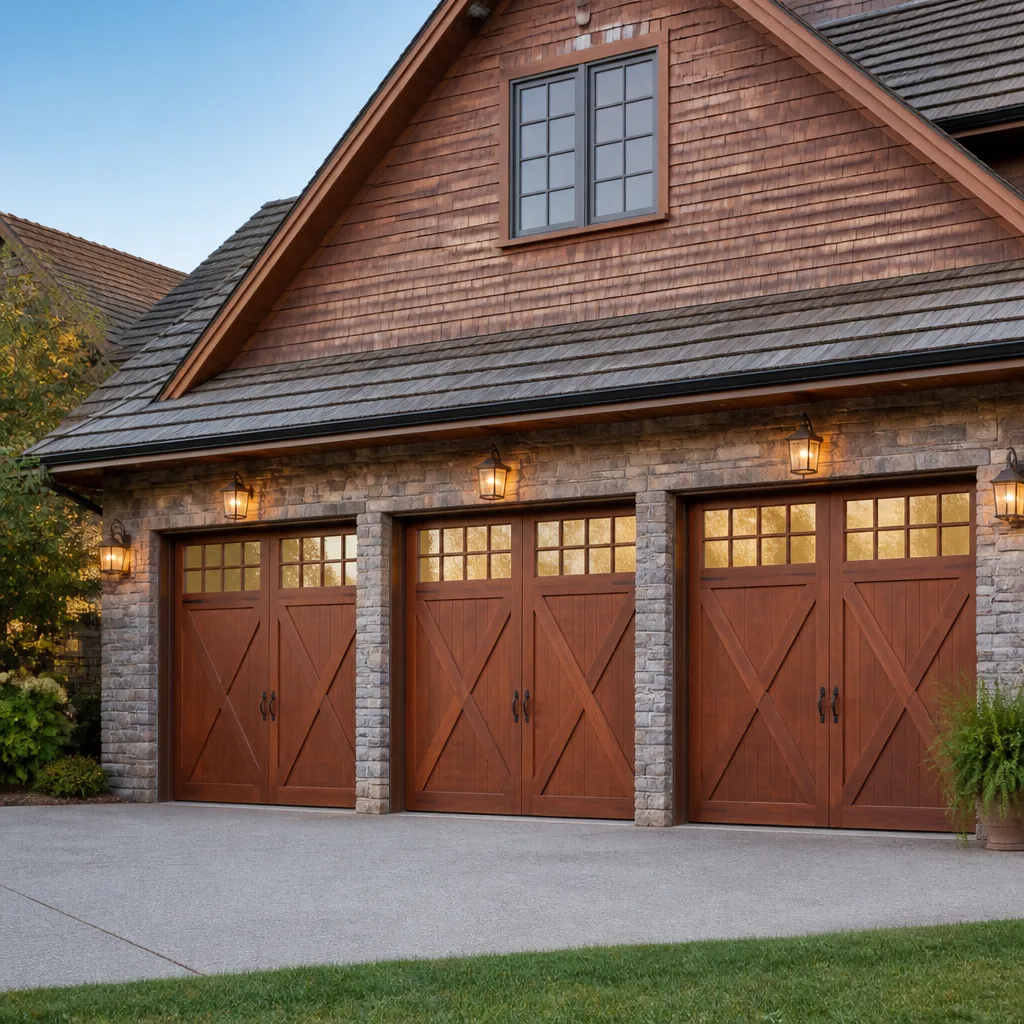 Carriage house
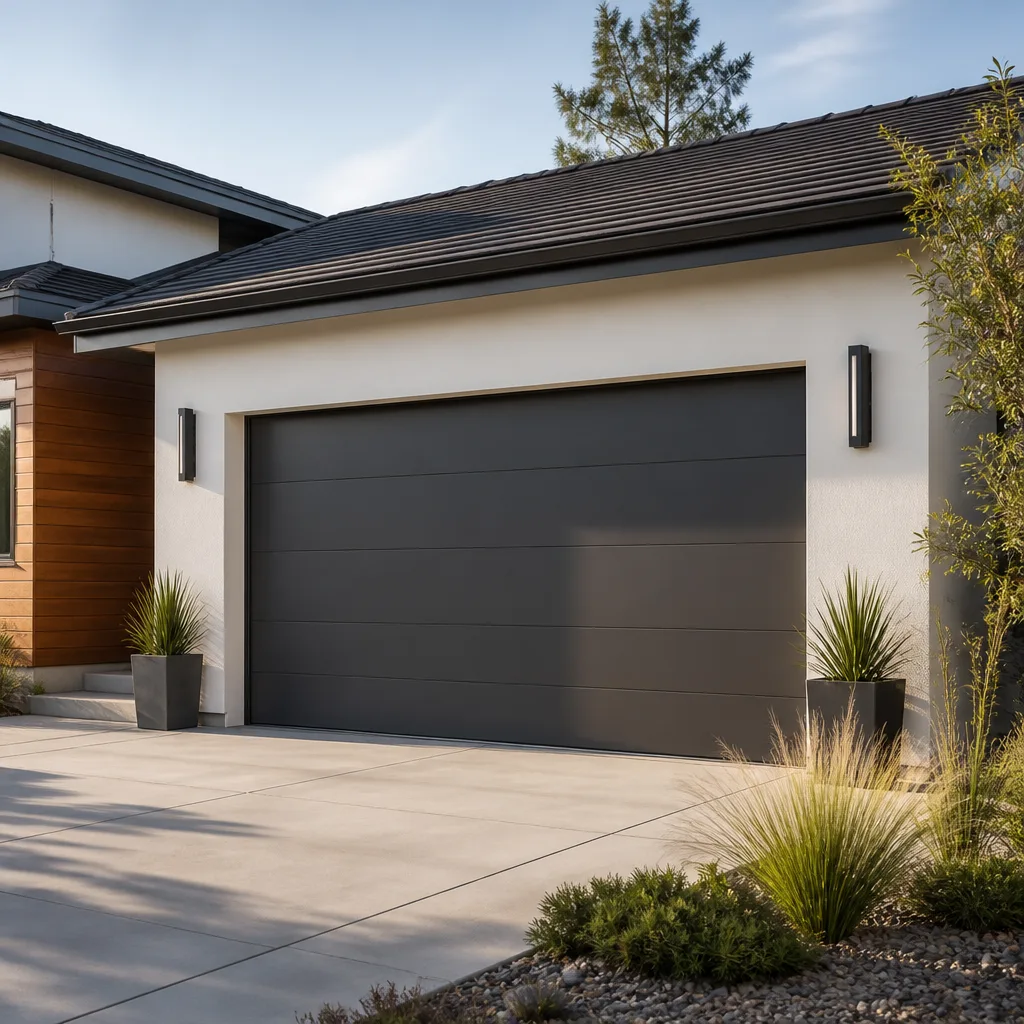 Modern flush
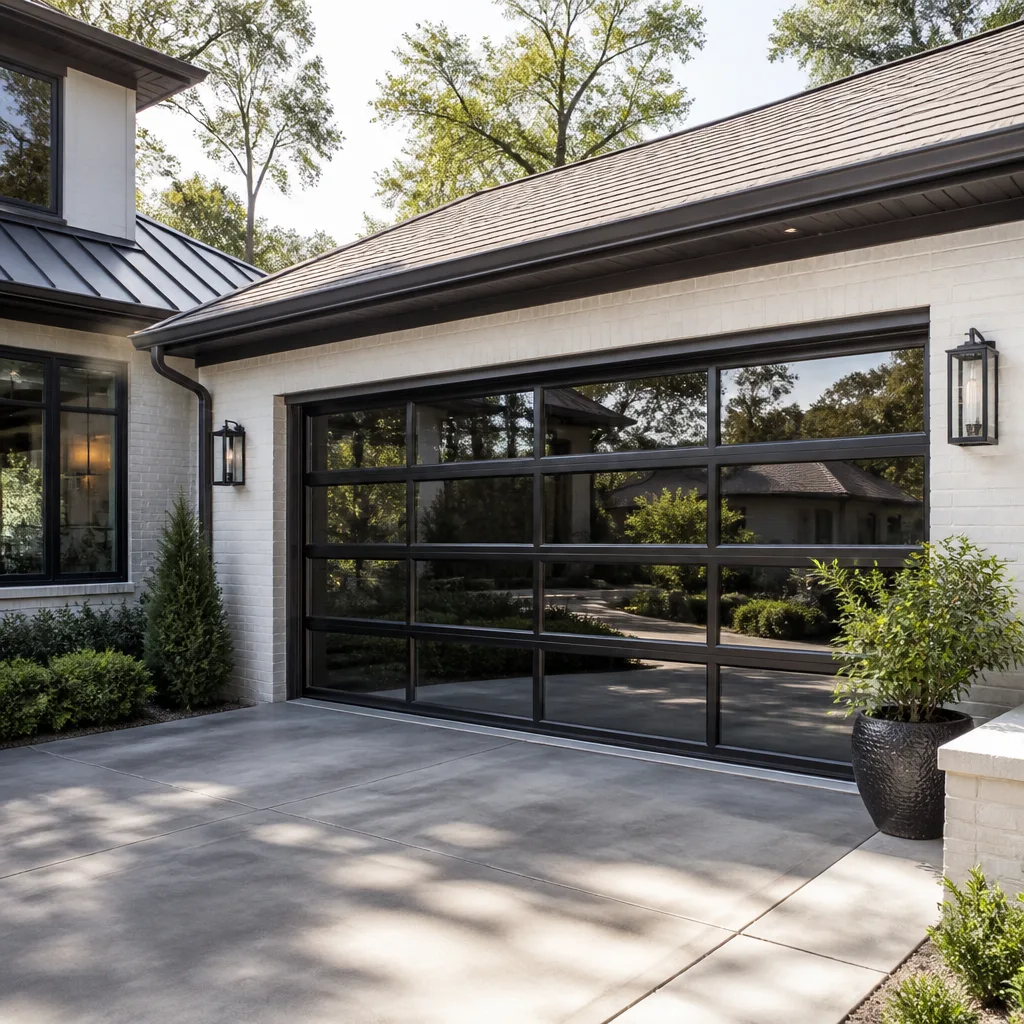 Full-view glass
 LiftMaster openers
 Chamberlain openers
Full 25-point door and opener safety check with every visit - springs, cables, rollers, tracks, and your LiftMaster or Chamberlain opener included
You get a price before we start. It does not change when the truck arrives.
Get your free estimateGarage Door Emergency Preparedness Guide for Irvine Homes
Most Irvine homeowners don’t think about their garage door until the moment it won’t open. That’s a problem, because the timing of garage door failures in this city follows a pattern our technicians have observed for years: they cluster during power outages, after earthquakes, and in the first hour of a wildfire evacuation. The garage door is the largest moving object in your home, it’s the primary entry point for most Irvine families, and it’s also the component most likely to strand you precisely when you need to leave quickly. This guide covers what we’ve learned responding to emergency calls across Irvine, from Turtle Rock to the Great Park neighborhoods, and it’s written to give you a working plan before you need one.
Quick Answer
Garage door emergency preparedness for Irvine homes means three things: knowing how to manually release your opener when power fails, having a battery backup sized for Irvine’s actual outage durations, and inspecting your door’s structural integrity after the two events that define this region’s risk profile, earthquakes and Santa Ana wind events. A homeowner who can operate the manual release cord, has a charged battery backup, and knows what a compromised spring looks like is prepared for the emergency scenarios that actually occur in Irvine. For a deeper walkthrough, see our Garage Door Repair Troubleshooting: Common Problems and How to Fix Them. Carriage House Garage Door Co has responded to hundreds of these situations across the city, and the difference between a minor inconvenience and a genuine crisis almost always comes down to preparation done months earlier.
Styles & brands we work with
Table of Contents
- Why Irvine’s Emergency Profile Is Different
- Manual Release Operation for the Three Opener Types Found in Irvine Homes
- Battery Backup: What’s Adequate for Irvine’s Outage Patterns
- Post-Earthquake Inspection Protocol
- Wildfire Evacuation Readiness: The Garage Door Connection
- Pre-Programming Neighbor or Family Access Without Compromising Security
- Monthly Maintenance Checks That Prevent Emergencies
- Common Mistakes to Avoid
- When to Call a Professional
- Frequently Asked Questions
Why Irvine’s Emergency Profile Is Different
National garage door emergency guides talk about generic scenarios: a broken spring, a dead remote battery, a door off its tracks. Those things happen in Irvine too, but they’re not what keeps emergency planners and careful homeowners up at night. Irvine sits in a specific geographic position that creates three distinct emergency patterns most national guides ignore entirely.
First, earthquake risk. Irvine is roughly 12 miles from the Newport-Inglewood fault zone and within the shaking radius of the San Andreas and Elsinore fault systems. Even a moderate magnitude quake can shift a garage door’s track alignment by fractions of an inch, enough to bind rollers, jam the door mid-travel, or snap a spring under sudden asymmetric load. We’ve responded to post-earthquake calls in Irvine where the visible damage was minimal, but the door refused to operate because the tracks had shifted just enough to create binding friction.
Second, Santa Ana wind events. These dry, gusty winds, typically strongest from September through January, regularly knock out power to Irvine neighborhoods. Wind-driven tree limbs and debris hit overhead lines, and sometimes Southern California Edison implements public safety power shutoffs in high-risk corridors near the Irvine Wildland Interface. A garage door opener without backup power during one of these events means your vehicles are trapped unless you know the manual release procedure.
Third, wildfire proximity. Homes in the northern and eastern edges of Irvine, particularly in communities like Portola Springs, Orchard Hills, and the areas bordering Limestone Canyon and Irvine Regional Park, sit within or adjacent to the Irvine Wildland Interface. In a wildfire evacuation, seconds matter. A garage door that won’t open, or a door you can’t close behind you because you’ve never practiced the emergency release, becomes a genuine hazard rather than a domestic annoyance.
The common thread across all three scenarios is time. You need your garage door to work immediately, and you need to know what to do when it doesn’t. That’s what emergency preparedness means for an Irvine homeowner, and it’s the standard we use when we service doors throughout the city.
If you’ve recently had work done or are planning any, our Carriage House Garage Door Co home page covers our full service scope, and our Garage Door Repair in Costa Mesa team sees the same earthquake and wind-related issues across the county line.
Manual Release Operation for the Three Opener Types Found in Irvine Homes
The manual release is a red cord hanging from the opener rail, usually near the motor unit. Pulling it disconnects the door from the opener carriage so you can lift the door by hand. It’s simple in theory, but our technicians regularly arrive at Irvine homes where the homeowner has never touched the cord and doesn’t know where to find it. Here’s what you need to know for each opener type commonly installed across Irvine homes.
Chain and Belt Drive Openers (LiftMaster, Genie, and Chamberlain-style designs)
- Locate the red release cord hanging from the center rail above your vehicle. In most Irvine garages, it’s within arm’s reach of the opener motor.
- Ensure the door is fully closed before pulling the cord unless you’re in an emergency escape scenario. Pulling the release with the door open can cause it to crash down if a spring is compromised.
- Pull the cord firmly downward and toward the door. You’ll hear a click as the carriage disengages from the drive chain or belt.
- Lift the door manually using the handle. A properly balanced door should lift smoothly with moderate effort. If it feels unusually heavy or refuses to stay up, a spring is likely broken, and the door should not be forced.
- To re-engage, pull the cord again while the door is in the closed position, then run the opener once to re-seat the carriage. You may hear a second click when the carriage locks back onto the drive.
Wall-Mount (Jackshaft) Openers
These units mount on the wall beside the door rather than on the ceiling rail. They’re increasingly common in Irvine homes with high ceilings or lift configurations that don’t accommodate overhead rails. The release mechanism differs from overhead openers.
- Look for a release handle on the opener unit itself, typically on the front or side of the housing.
- Pull the release handle outward. This disengages the drive shaft from the door’s torsion system.
- Operate the door by hand using the bottom handle. Because jackshaft openers are typically paired with heavier doors, be prepared for more manual lifting effort than a standard overhead system.
- To re-engage, return the release handle to its original position and run the opener once. The unit will re-engage automatically on the next complete cycle.
What to Do If the Release Cord Is Stuck
A stuck release cord almost always indicates one of three things: the cord has wrapped around the rail, the release mechanism has seized, or the opener carriage is under load. In a genuine emergency, with the door closed and a vehicle trapped inside, you can try these steps:
- Check for cord wrap: Trace the cord from the handle upward. If it’s wound around the rail or drive chain, unwrap it carefully, keeping your hands clear of moving parts.
- Relieve load: If the door is partially open or jammed, gently push the door upward by hand while another person pulls the release cord. This sometimes frees a carriage that’s binding under tension.
- Stop and call: If the release won’t pull after these steps, do not force it. The mechanism may be damaged, and forcing it can cause sudden door movement. Call a professional. Our team handles this exact situation throughout Irvine, and we carry the parts needed to address release failures on most major openers.
Safety note: The release cord disconnects only the opener, not the springs. If a torsion spring has broken, the full weight of the door (typically 150 to 400 pounds for an Irvine two-car garage) is now unassisted. A door with a broken spring can drop with enough force to cause serious injury. We train all our technicians to check spring condition before touching release mechanisms, and you should too.
Battery Backup: What’s Adequate for Irvine’s Outage Patterns
California law now requires battery backup on all residential garage door openers sold and installed in the state, but that requirement didn’t apply to units installed before roughly 2019, and many Irvine homes still have openers without any backup capability. If you’re unsure how your setup aligns with current rules, read our guide to Garage Door Permits, Codes & Inspections in CA: What You Need to Know. Even among homes with battery backup, capacity varies significantly, and the bare minimum doesn’t always match Irvine’s actual outage patterns.
Santa Ana wind events in Irvine typically produce outages lasting anywhere from a few hours to more than a day in the worst corridors. Public safety power shutoffs, when they occur near the wildland interface, have lasted up to 48 hours in some Orange County locations. A battery backup rated for 1 to 2 open-close cycles, which many entry-level units provide, is inadequate for a multi-day outage. You’ll get one or two uses and then you’re back to manual operation.
What’s adequate? Here’s what we recommend based on the outage patterns we’ve observed in Irvine:
- Minimum: A battery backup rated for at least 10 open-close cycles on a standard residential door. This covers the vast majority of Santa Ana-related outages and gives you time to make alternative arrangements.
- Better: 20 or more cycles. Some newer Genie and LiftMaster models with upgraded battery packs fall into this range. This is the threshold we recommend for homes in the Portola Springs, Orchard Hills, and other wildland-adjacent areas where PSPS events are more likely.
- Best: A backup system with a maintenance indicator or low-battery alert. Batteries degrade over time, and a three-year-old battery may not hold the charge it did when new. Units that alert you before the battery effectively dies are worth the additional cost.
One thing that surprises many Irvine homeowners we talk to: battery backup doesn’t work if the battery itself has failed. Batteries in garage door openers last 3 to 5 years in Southern California’s temperature conditions, and we find many dead batteries during routine service visits on doors where the homeowner assumed they were protected. If your opener has a battery backup, test it monthly by unplugging the opener and attempting a full open-close cycle. If it doesn’t work on battery power alone, replace the battery before you need it.
If your opener predates the battery backup era, you have two options: add an aftermarket battery backup unit to your existing opener (compatible with many LiftMaster, Chamberlain, and Genie models), or replace the opener with a current model that includes backup as standard. Our technicians service all major brands, and we make that recommendation based on the condition of your existing opener and your specific risk profile in Irvine, not on what we’d prefer to sell you.
Post-Earthquake Inspection Protocol
After any earthquake that causes noticeable shaking in Irvine, you should inspect your garage door before operating it. A quake that shifts the framing, loosens mounting hardware, or deforms tracks can turn a simple open-close cycle into a catastrophic failure. In our experience responding to post-seismic events across Orange County, the doors that fail after an earthquake are usually ones that were operated without inspection first.
Here’s the protocol we recommend to every Irvine homeowner:
- Visual inspection before operation: Stand inside the garage and examine the tracks on both sides. Look for gaps between the track and the wall, obvious bends, or spots where the track has pulled away from its mounting brackets. Check the springs and cables for visible deformation.
- Look at the door’s resting position: If the door appears to be sitting at an angle, or if one side is lower than the other, do not operate it. This indicates uneven loading on the springs or a track shift.
- Test operation with the opener, but stay ready to stop: If the visual inspection passes, operate the door using the opener or wall button. Stand inside, not outside, and watch the door’s full travel. Listen for scraping, grinding, or any sound you don’t normally hear. If anything sounds wrong, stop immediately.
- Check the balance: Disengage the opener using the manual release cord and lift the door manually to shoulder height. It should hold position without assistance. If it drops or requires significant force, a spring may have been compromised by the shaking. Do not operate the door further.
- Examine the framing around the opening: In wood-framed Irvine homes, particularly older construction in areas like University Park and Northwood, check for cracks or separation at the header and side jambs. Movement in the framing can misalign tracks even if the tracks themselves look fine.
If you find any track shift, spring damage, or balance issues after an earthquake, the door should be secured in the closed position and remain unused until a professional can assess it. Our Garage Door Repair in Costa Mesa team handles post-earthquake damage calls throughout the region, and we see the same patterns in Irvine and surrounding communities. If you need a door installed entirely, our Garage Door Installation in Costa Mesa service covers full replacements when damage is beyond repair.
Safety note: Post-earthquake spring inspection is not a DIY project. Torsion springs store enormous energy, and a spring that’s been damaged but hasn’t yet failed can release catastrophically during handling. If the visual inspection raises any concern about spring condition, leave the door closed and call a professional. Amarr and Wayne Dalton torsion systems, common in Irvine, both require specific winding procedures that should only be performed by someone with the proper tools and training.
Wildfire Evacuation Readiness: The Garage Door Connection
Wildfire evacuation orders in Irvine come with little warning. The Canyon 2 fire in 2017 triggered evacuations across Anaheim Hills and parts of Orange County within hours, and the Silverado Fire in 2020 forced thousands of Irvine residents from their homes in the middle of a workday. In both cases, garage doors were a factor, either as an exit barrier or as a security risk for homes left behind.
Here’s what wildfire evacuation readiness means for your garage door, based on what we’ve observed in Irvine’s wildland-adjacent communities:
Your garage door must open reliably during a power outage. Wildfire evacuations frequently coincide with power disruptions, either from fire damage to lines or from proactive shutoffs by utilities. If you’re leaving during an evacuation and your opener has no working battery backup, you need to know the manual release procedure cold. In the stress of an evacuation, fumbling with a release cord you’ve never touched costs minutes you may not have. Practice it quarterly.
Your auto-close feature matters more than you think. Many Irvine residents in wildland-adjacent areas leave their garage doors open during the day for ventilation or convenience. If an evacuation order comes, you need to close that door before you leave. An unclosed garage door during a wildfire creates a wind tunnel that can pull embers directly into your home, and it’s an open invitation to opportunistic theft in evacuated neighborhoods. If your opener has an auto-close timer, enable it. If not, building the habit of closing the door after every use is the single most effective fire-hardening behavior we can recommend.
A charged backup battery is part of a defensible-space exit plan. The same battery that gets you out of your garage during a Santa Ana outage is what gets you out during a wildfire evacuation. Test it monthly. We can’t overstate how many homeowners discover a dead backup battery at the worst possible moment because the unit gave no warning.
For homes closest to the wildland interface, including newer construction in Portola Springs and the hill-adjacent communities in north Irvine, we also recommend having your garage door’s weatherstripping and bottom seal checked annually. A gap at the bottom of the door is an ember entry point, and proper sealing is a low-cost measure that reduces that risk.
Our Garage Door Opener Repair in Costa Mesa service regularly handles battery backup installations and repairs for homeowners preparing their properties for fire season, and the same service applies throughout Irvine.
Pre-Programming Neighbor or Family Access Without Compromising Security
One of the most common emergency scenarios we hear about in Irvine involves a homeowner who’s away from home, often on vacation or at work, and needs someone to access their garage. Maybe a package needs to be brought in, maybe a pet needs to be checked, maybe there’s a concern about the door after an earthquake or wind event. Without a pre-arranged access method, the response is often a forced entry or a wait that leaves the home vulnerable.
Setting up a neighbor or family member with access doesn’t have to mean handing over a universal key. Here’s how to do it in a way that maintains everyday security:
- Use a temporary or guest code on your keypad: Most modern openers support multiple user codes. Program a unique code for your emergency contact and disable it when you return. This is cleaner than sharing your primary code, and it creates a record of who had access and when.
- Use a smart opener with app-based access: Several brands on the market, including units from Genie and LiftMaster, offer smartphone-based controls that let you grant temporary access to another user’s phone. You control the window of access and can revoke it remotely. This works well for Irvine homeowners who travel frequently.
- Avoid leaving a physical key hidden outside: It’s surprising how many homeowners still do this. Hidden keys near a garage are among the first things an opportunistic thief looks for, and in evacuated neighborhoods during fire season, unattended homes with discoverable keys are easy targets.
- Document the release procedure for your emergency contact: If you’ve given someone a code or app access, also give them a simple one-page instruction sheet on how to operate the manual release if the power is out. Half the value of having an emergency contact is lost if they can’t get the door open during the exact scenario that requires it.
In our work across Irvine, the homes that handle emergency situations most smoothly are almost always the ones where a neighbor knew exactly how to get into the garage and how to operate the door without an opener. That level of preparation costs nothing and pays off in exactly the situations this guide is about.
Monthly Maintenance Checks That Prevent Emergencies
Prevention is where emergency preparedness actually happens. The homeowners who don’t experience garage door emergencies in Irvine aren’t lucky, they’re observant. Most door failures give warning signs in the weeks or months before they become full-blown emergencies, and a simple monthly maintenance routine—like the one in our Garage Door Repair Maintenance Checklist for Irvine Homeowners—catches those signs while they’re still inexpensive to address.
Here’s the monthly checklist we recommend, and it takes less than 10 minutes:
- Listen to the door during a full open-close cycle: Stand inside and operate the door. Grinding, scraping, popping, or any new sound is a warning sign. A healthy door is relatively quiet on a smooth cycle.
- Watch the door’s movement: Does it hesitate, jerk, or stop and start? Does one side seem to move faster than the other? Uneven movement indicates track or spring issues that will worsen.
- Check the balance: Use the manual release and lift the door to shoulder height. It should stay in place without support. A door that drops or rises on its own has a spring problem that needs attention.
- Test the auto-reverse safety feature: Place a small object, like a rolled-up towel, under the door’s path and close it. The door should reverse when it contacts the object. This is a federal safety requirement, and it’s one of the most important features on your door to keep functional.
- Test the battery backup: Unplug the opener and run a full open-close cycle on battery power only. If it doesn’t complete the cycle, the battery needs replacement.
- Visually inspect springs, cables, and rollers: Look for frayed cables, rusting springs, and worn or cracked rollers. These components wear at different rates depending on usage and Irvine’s coastal air, which can accelerate corrosion on metal components.
If any of these checks reveals a problem, address it immediately rather than waiting. A $25 roller replacement today is a $300 emergency service call next month, and it’s also the difference between a door that works when you need it and one that doesn’t.
Common Mistakes to Avoid
We’ve seen the same mistakes repeated across hundreds of Irvine homes. Here are the ones that cause the most problems, with the local context that makes them relevant here:
- Never practicing the manual release: Almost every homeowner who gets stranded during a Santa Ana outage knows intellectually that a release cord exists. Almost none of them have ever pulled it. The first time you operate a release cord should not be during an emergency. Practice quarterly.
- Assuming battery backup means indefinite operation: Many Irvine residents we meet believe their battery backup will keep the door working through any outage. In reality, entry-level backup batteries provide a handful of cycles, and batteries over three years old may provide none at all. Test monthly.
- Ignoring warning sounds: A garage door that’s started making grinding or squealing noises is telling you something. In Irvine’s coastal air, corrosion on rollers and hinges accelerates, and ignoring those sounds for months transforms a minor maintenance item into an emergency repair.
- Forcing a door that won’t open: We can’t count the number of times we’ve arrived at an Irvine home to find a door that was forcefully pushed or pulled after it jammed, turning a simple fix into a major repair. If a door doesn’t open with normal effort, stop. Call someone who diagnoses before they force.
- Leaving the door open during high wind: Santa Ana winds in Irvine routinely exceed 40 mph, and gusts can be much higher in canyon-adjacent neighborhoods. Leaving a garage door open during these events allows wind to slam the door against its tracks and can pull lightweight items out of the garage. Close it, and if you’re in a wildfire-adjacent area, make sure the auto-close timer is on.
- Labeling the release cord incorrectly to visitors or emergency contacts: We’ve seen homes where a well-meaning homeowner put tape labels on the opener explaining what everything does, but the labels were wrong or confusing. If you’re documenting procedures for a neighbor or family member, keep it simple and accurate. One clear diagram beats a paragraph of text.
When to Call a Professional
Some garage door problems are DIY-appropriate: changing remote batteries, lubricating rollers, tightening loose hardware you can reach safely. Others are not. A broken spring, a cable that’s come off its drum, a door that’s derailed from its tracks, or any issue involving the torsion system should stop you in your tracks. These components hold enough stored energy to cause serious injury when they fail during handling, and attempting a repair without proper tools and training is genuinely dangerous.
If you’ve had an earthquake that shifted your tracks, if your door won’t balance after a manual release test, or if you’ve identified any spring or cable damage during your monthly inspection, that’s the moment to stop and call. Carriage House Garage Door Co offers free estimates in Irvine, we work on the full range of opener and door brands installed across the city, and we diagnose before we recommend any repair. Call (866) 472-7503 and we’ll get eyes on your door and a plan in front of you before any work begins.
Frequently Asked Questions
During a power outage, you open your garage door by pulling the red manual release cord hanging from the opener rail, then lifting the door by hand. If your opener has a functioning battery backup, you may still be able to operate it using the wall button or remote, but the manual release works regardless of power. Practice this procedure quarterly so you’re not learning it for the first time during an emergency. If you find the door unusually heavy or impossible to lift manually, a spring may be broken. Call (866) 472-7503 for an assessment.
Yes. Since approximately 2019, California law has required all newly installed residential garage door openers to include battery backup capability. This requirement, which followed wildfire-related safety concerns, means any opener installed new in Irvine in the last several years should have backup power. However, many older openers still in service predate this requirement, and even compliant units have batteries that degrade over time and need periodic replacement.
Battery backup capacity varies by model and battery condition. Entry-level units often provide 1 to 2 open-close cycles per charge, which is inadequate for extended Santa Ana outages or downed-power situations in Irvine. Higher-capacity units provide 10 to 20 or more cycles, and that’s the level we recommend for homes in wildland-adjacent areas or homes where the garage is the primary daily exit. Test your backup monthly to know what it actually delivers.
After an earthquake, check your garage door’s tracks for gaps, bends, or separation from the wall, examine the resting position of the door for unevenness, test the balance using the manual release, and visually inspect springs and cables for damage. Do not operate the door until these checks pass. If anything looks or sounds wrong, leave the door closed and call a professional before further use.
Yes. Use either a unique temporary code on your keypad, app-based access through a smart opener that lets you grant and revoke access remotely, or both. Avoid leaving physical keys hidden outside your home, and make sure any emergency contact also knows how to operate the manual release in case of a power outage.
Emergency garage door repair costs in Irvine vary depending on the specific problem, the parts required, and the opener brand involved. Spring replacements, cable repairs, and track realignments are the most common emergency services we perform, and each carries a different parts and labor profile. Call (866) 472-7503 for an exact quote for your door and situation, and rest assured the price is quoted and agreed before any work begins.
The Bottom Line
Garage door emergency preparedness in Irvine comes down to three practical skills and habits: knowing how to operate your manual release without thinking about it, maintaining a battery backup that matches the city’s actual outage patterns, and inspecting your door after the shaking stops and before you resume normal use. The homeowners who handle earthquakes, Santa Ana outages, and wildfire evacuations smoothly are the ones who practiced these things months before they needed them. The rest end up calling us in the middle of a crisis, and while we’re always glad to help, the better outcome is never needing the emergency call in the first place. If you want a professional assessment of your door’s readiness, call (866) 472-7503 for a free estimate, or explore more guides & resources on keeping your garage door reliable year-round.
Written by the team at Carriage House Garage Door Co, serving Irvine since 2013.
See the difference
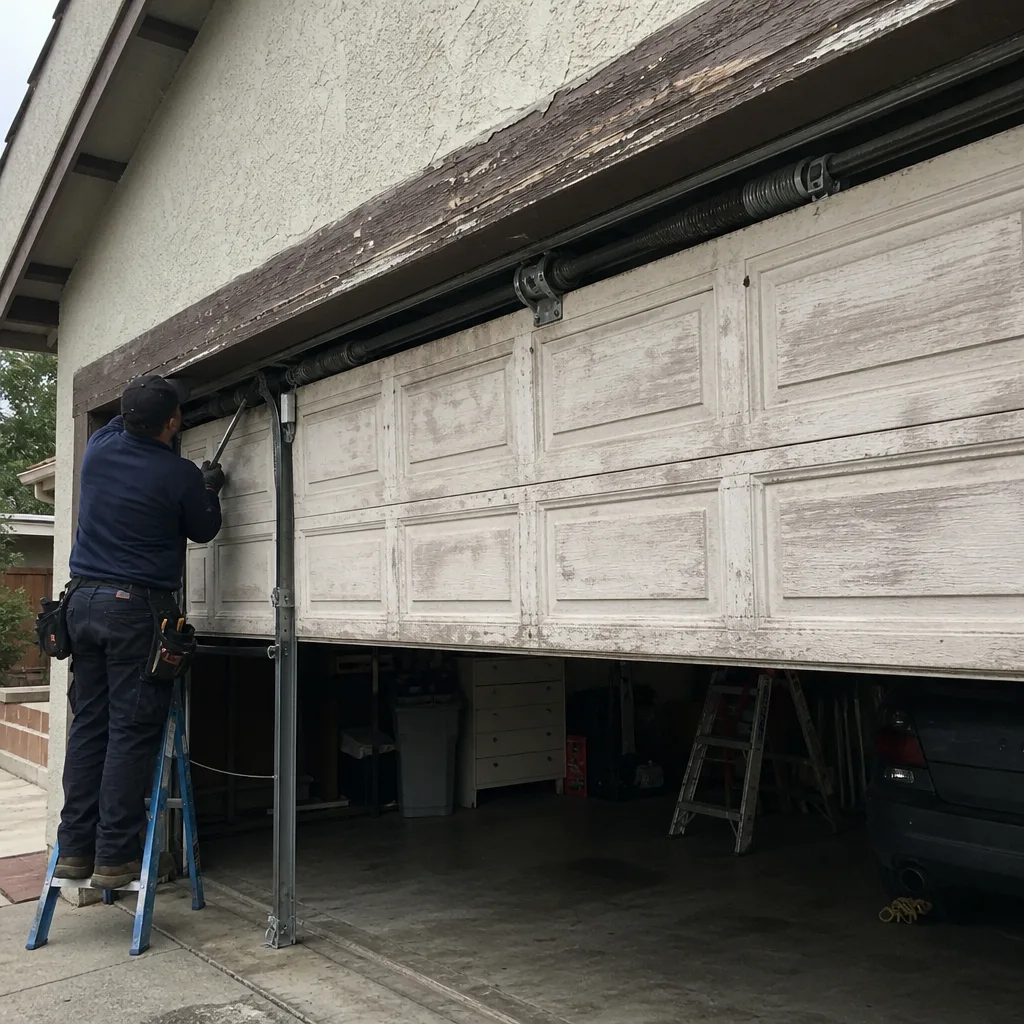 Before
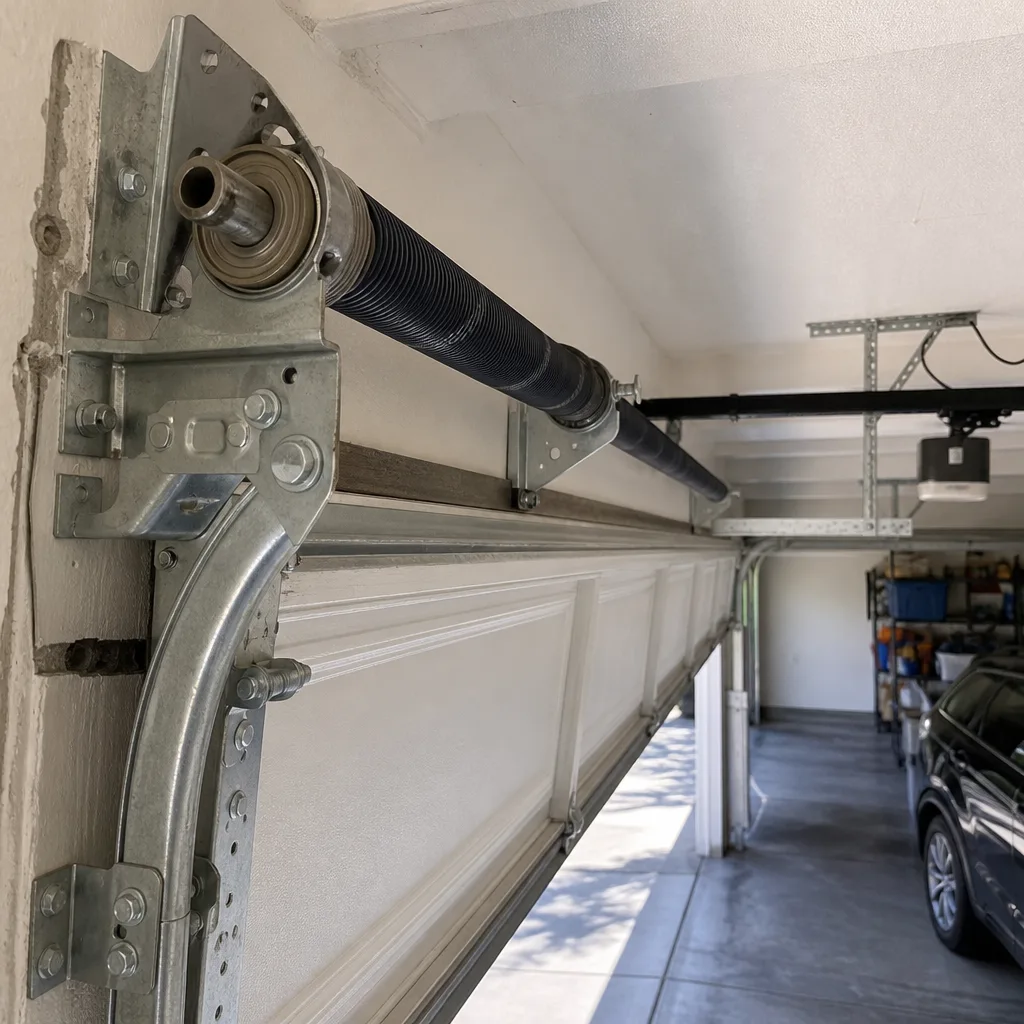 After
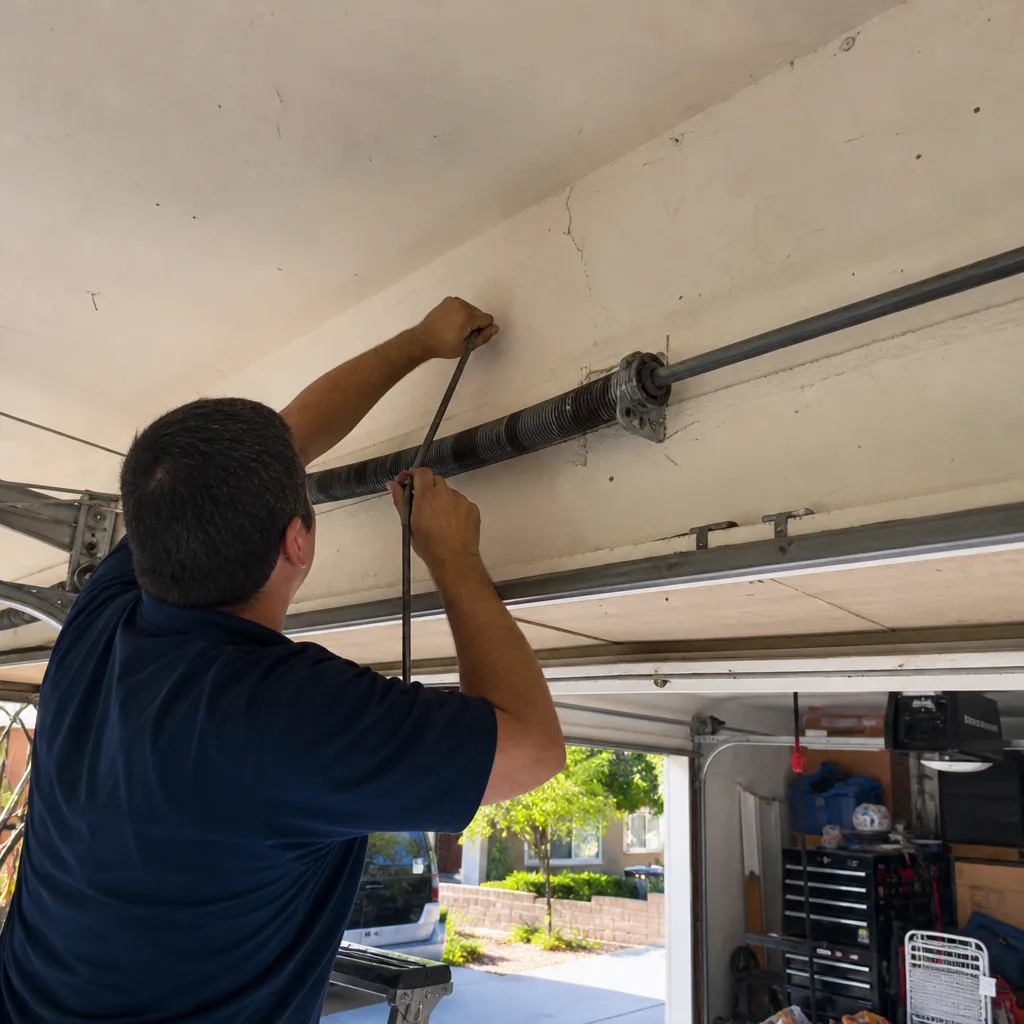 Before
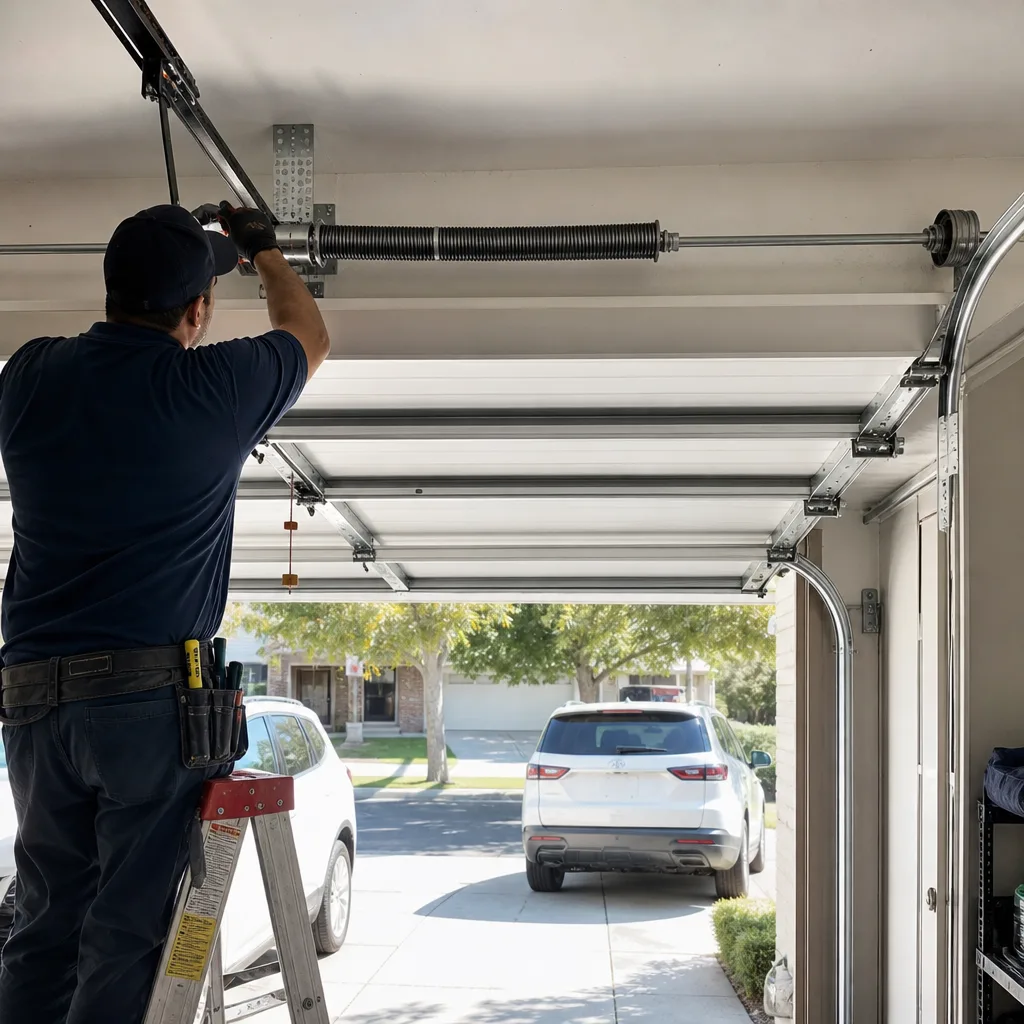 After
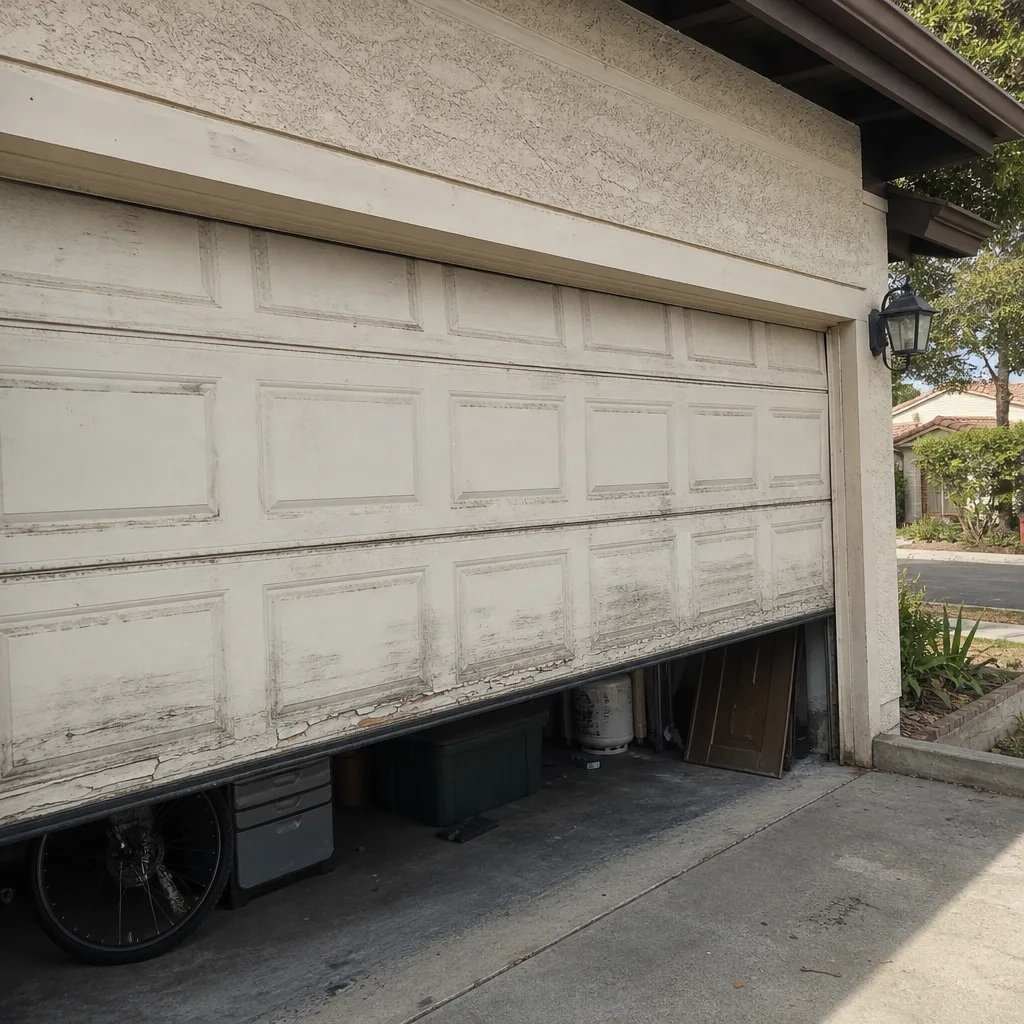 Before
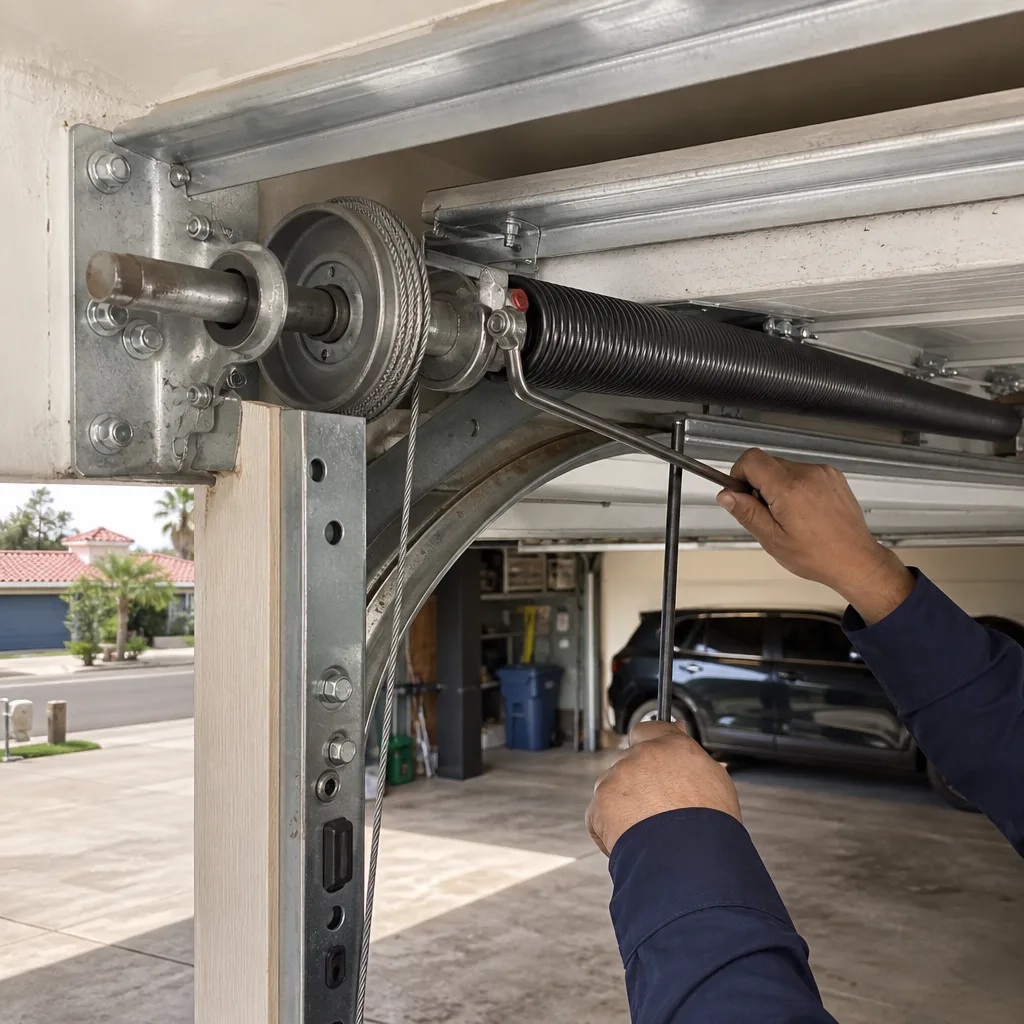 After