

Last updated October 30, 2026
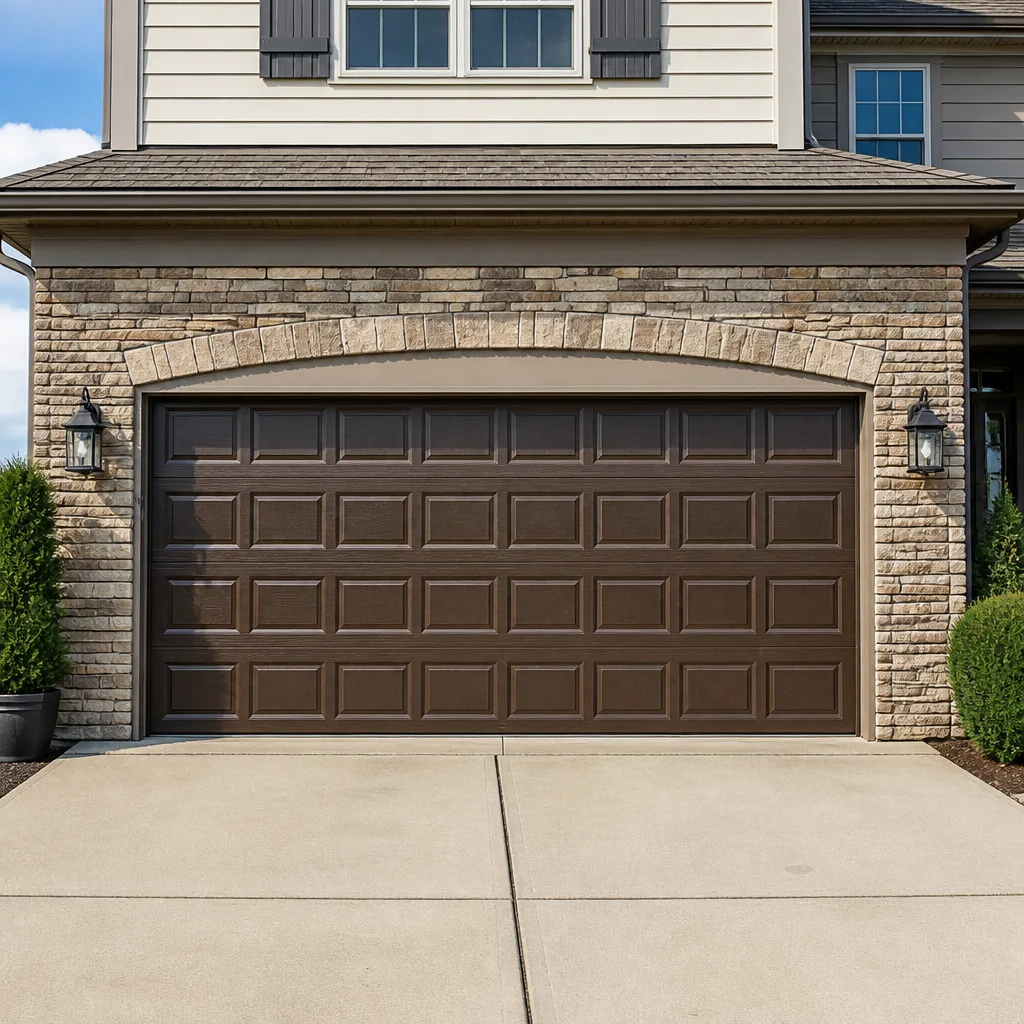 Raised-panel steel
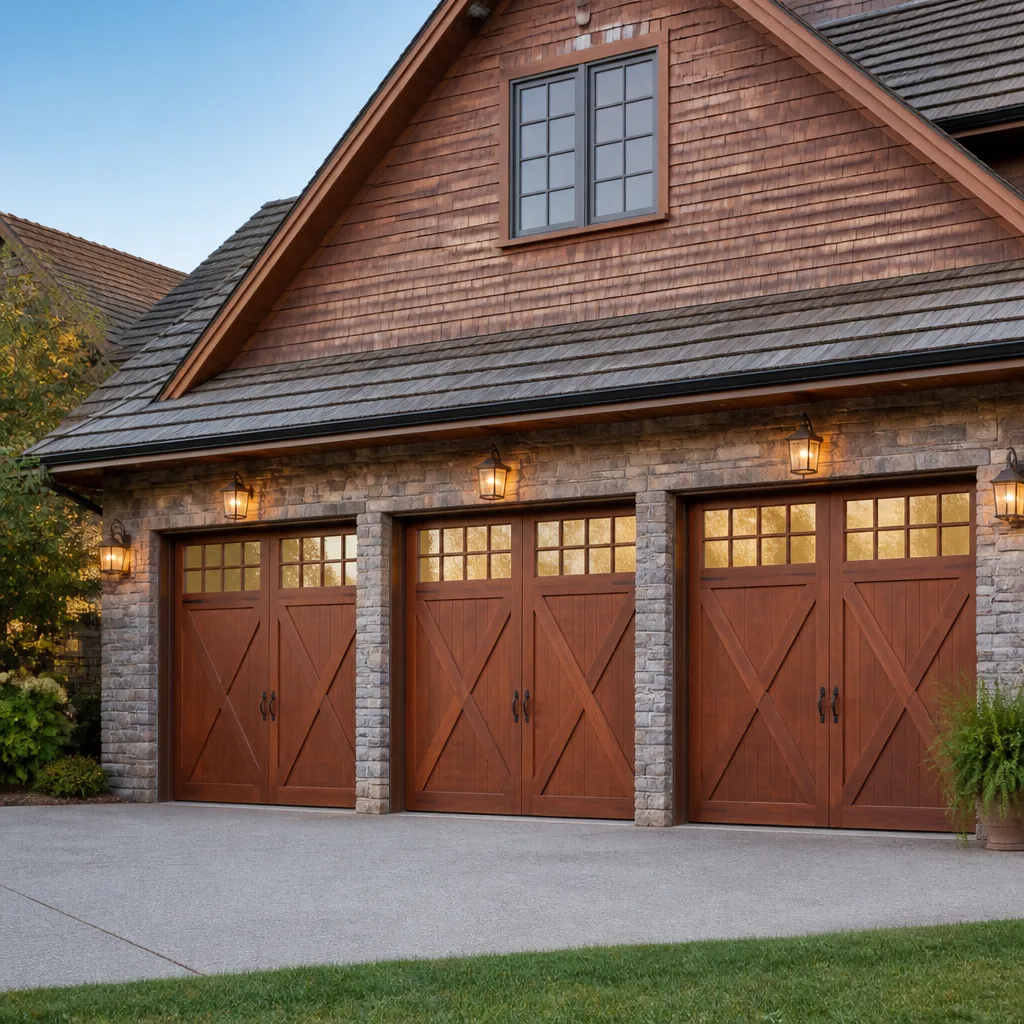 Carriage house
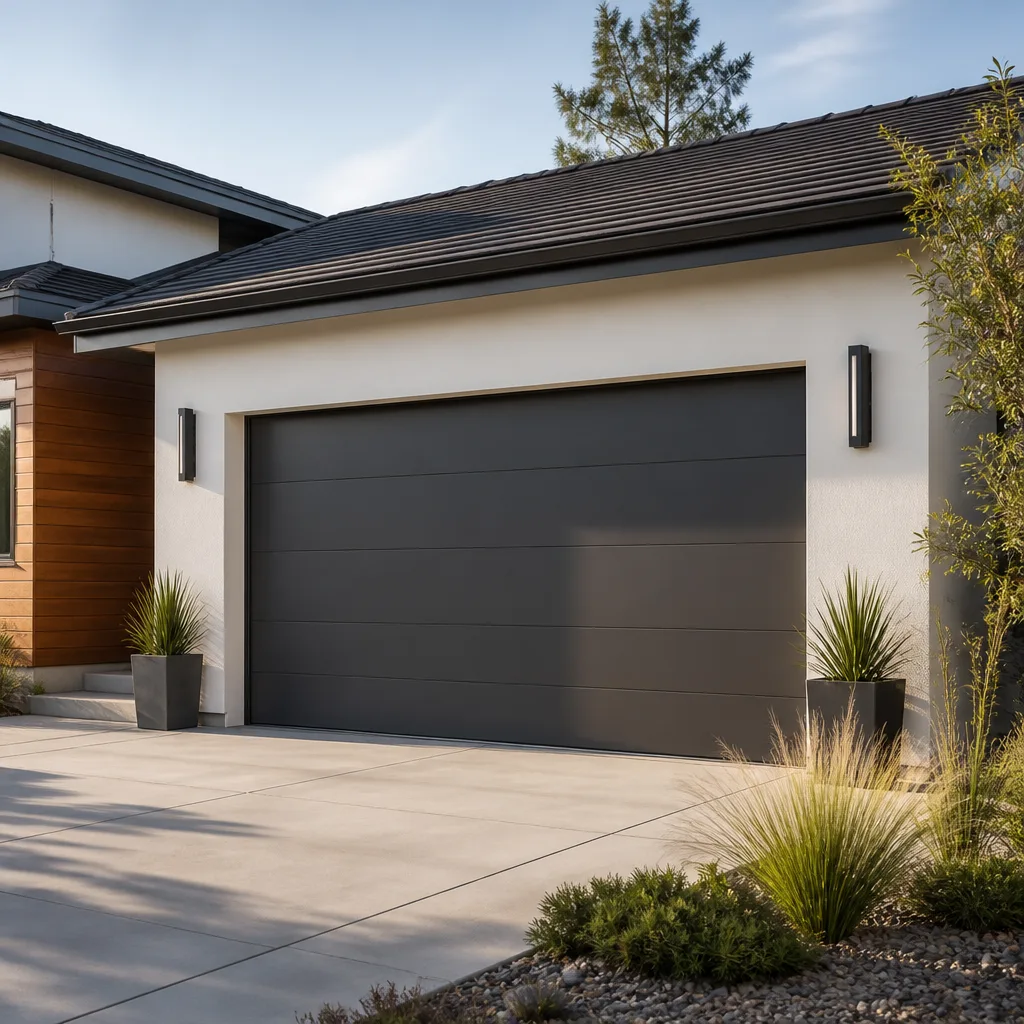 Modern flush
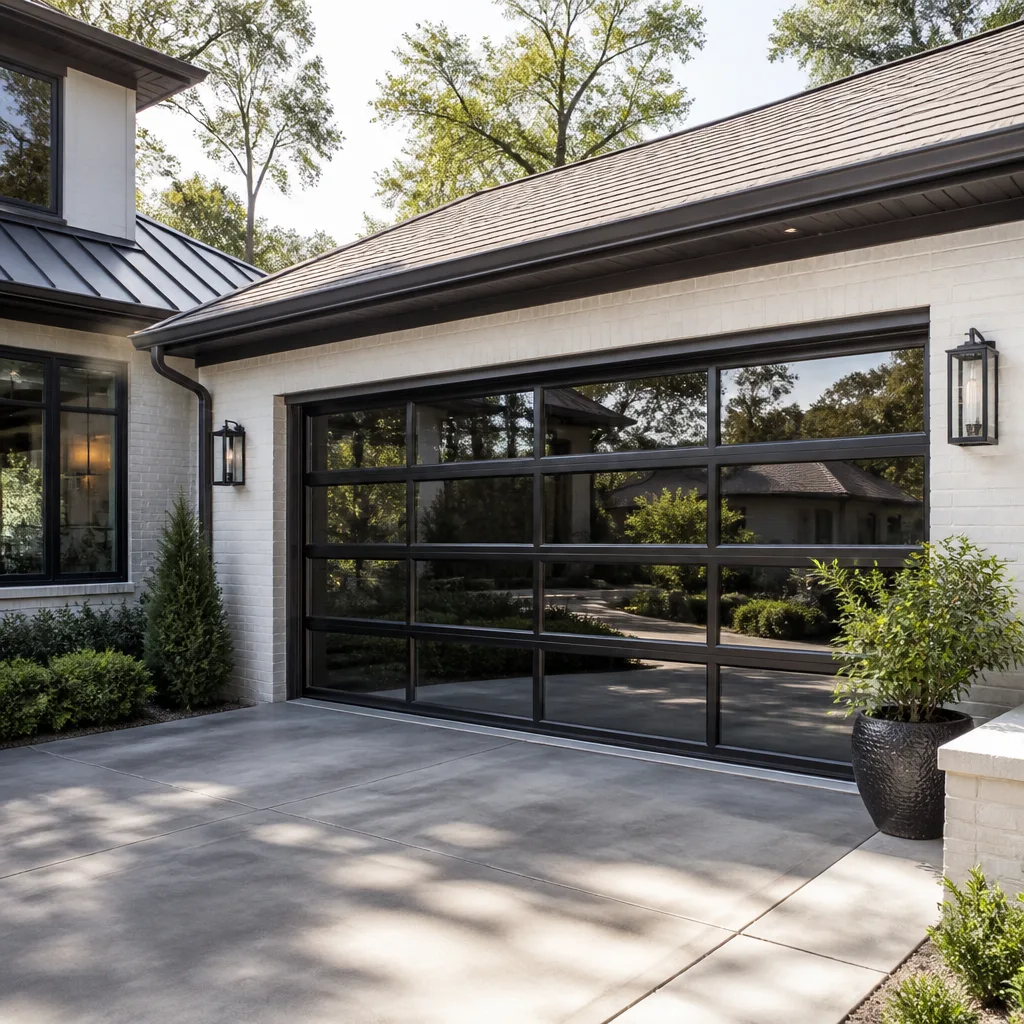 Full-view glass
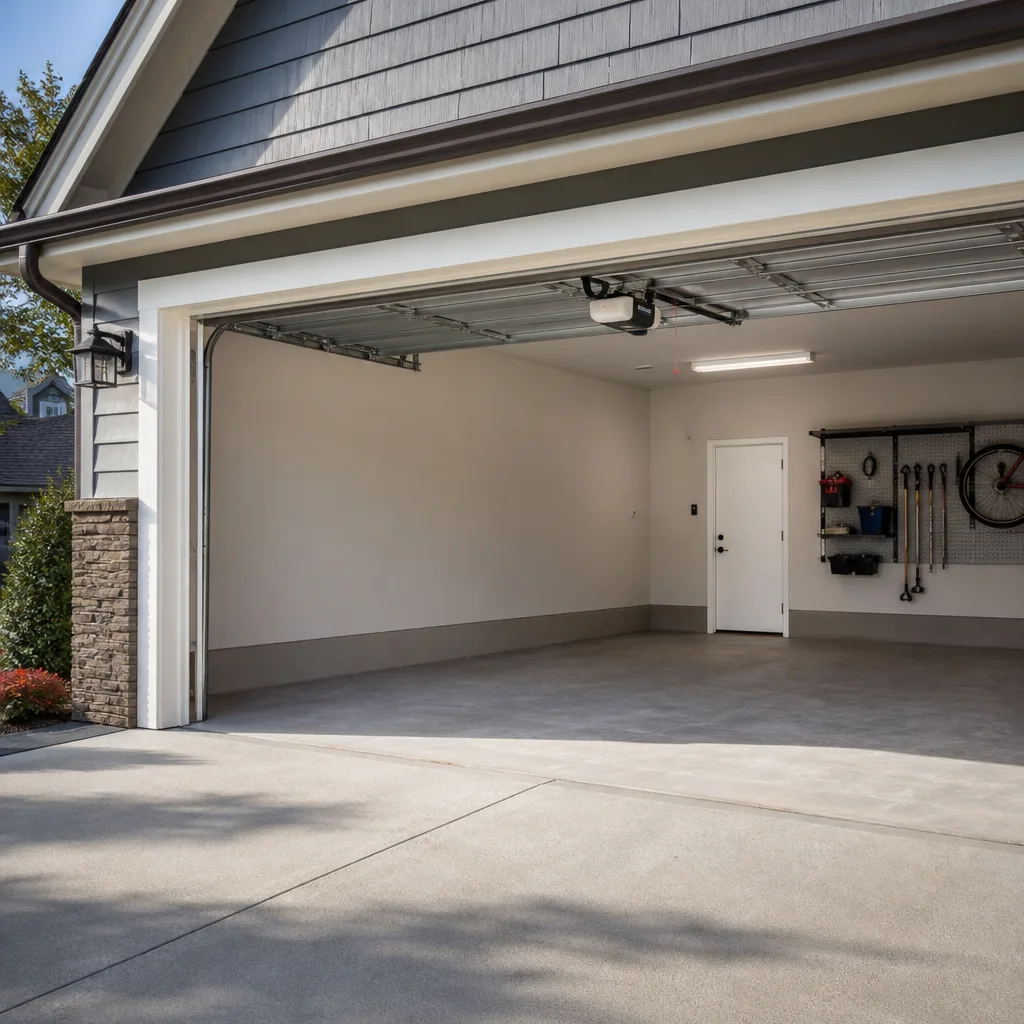 LiftMaster openers
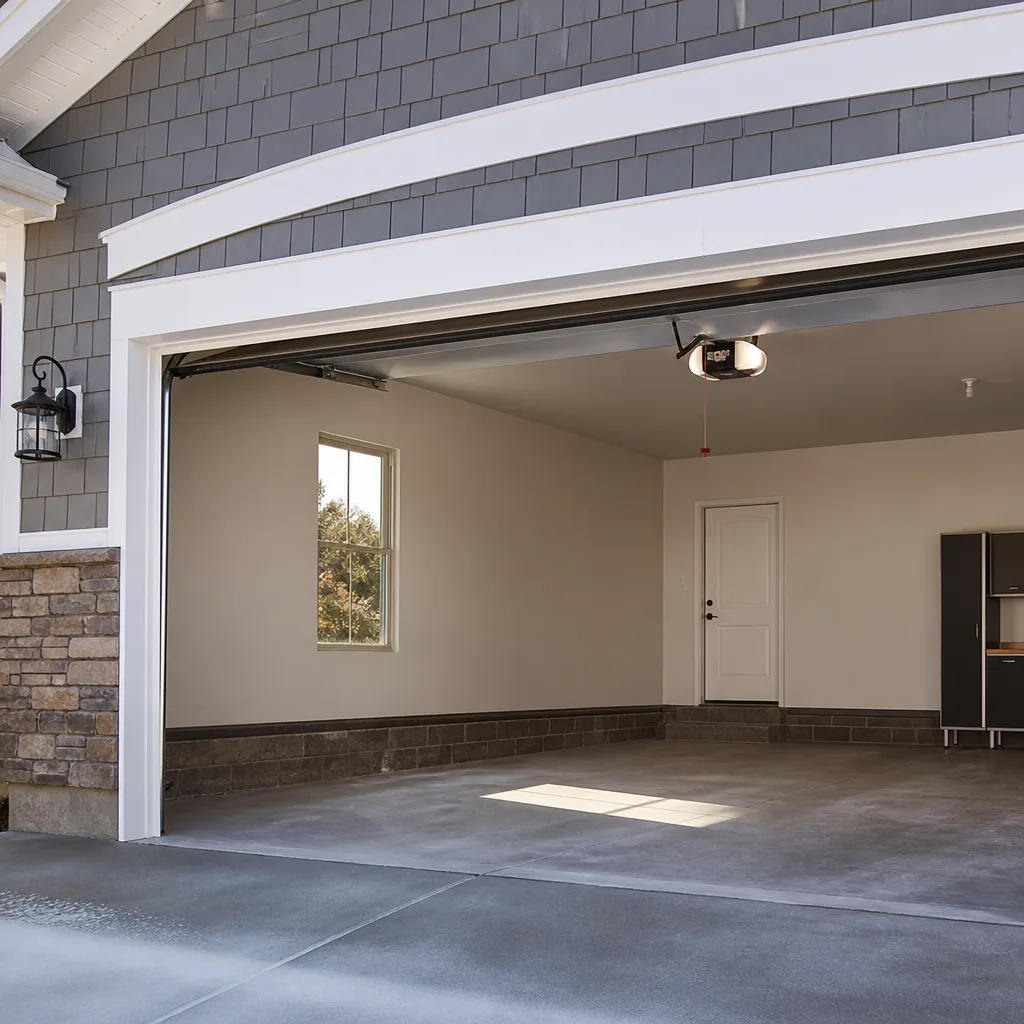 Chamberlain openers
Full 25-point door and opener safety check with every visit - springs, cables, rollers, tracks, and your LiftMaster or Chamberlain opener included
You get a price before we start. It does not change when the truck arrives.
Get your free estimateGarage Door Permits, Codes & Inspections in CA: What You Need to Know
A garage door replacement completed without a required permit in California can surface as an unpermitted improvement during escrow, potentially delaying or killing a home sale years after the work was done. Most homeowners in Irvine never think about permits until a title company flags the discrepancy. This guide walks through exactly when California building code triggers a permit requirement, what inspectors actually check, how Irvine’s local amendments differ from neighboring cities like Anaheim or Santa Ana, and how to fix unpermitted work before it becomes a legal liability. If you own a home in Orange County, the information here will save you money, time, and a very awkward conversation with a buyer’s agent.
Styles & brands we work with
Quick Answer
Most garage door repairs in California do not require a permit, but a full garage door replacement typically does when the door separates a garage from living space or when structural changes are made to the opening. The threshold is governed by the California Building Code (CBC) and locally amended in cities like Irvine. If you’re replacing springs, panels, rollers, or an opener, you’re generally exempt. If you’re installing a new door assembly or altering the header, plan on a permit and inspection.
Table of Contents
- When Does California Require a Permit for Garage Door Work?
- Repair vs. Replacement: The Threshold That Matters
- How Irvine’s Code Amendments Compare to Anaheim and Santa Ana
- What Inspectors Actually Check During a Garage Door Inspection
- Fire-Rated Doors and the Automatic Opener Requirement
- How to Retroactively Permit Unpermitted Work in Orange County
- Permit Costs and Timelines: Irvine and Surrounding Cities
- Common Mistakes to Avoid
- When to Call a Professional
- Frequently Asked Questions
- The Bottom Line
When Does California Require a Permit for Garage Door Work?
The California Building Code (CBC) requires a building permit for any work that involves structural modification, changes to a building’s exterior envelope, or the installation of new mechanical equipment that affects life safety. For garage doors, this translates to three specific triggers. First, any change to the rough opening dimensions. Second, replacement of a door on a garage that is attached to living space when the new door does not meet current fire-resistance standards. Third, any installation of a new garage door where none previously existed. The CBC does not maintain a single “garage door permit required” section; instead, the requirement flows from Chapter 1 administrative provisions and Chapter 3 use and occupancy classifications. In practice, most California cities including Irvine, Anaheim, Santa Ana, and Newport Beach interpret these provisions the same way at the broad level, but local amendments can shift where the enforcement line falls.
What surprises homeowners most is that the permit trigger has less to do with the cost of the door and more to do with the relationship between the garage and the dwelling unit. A detached garage has different rules than an attached one. A garage with living space above it has different rules than one with only attic storage. These distinctions matter because they determine whether a fire-resistance rating is required, which in turn determines whether your new door needs a specific label and a specific set of inspection criteria. In Irvine, where many homes in neighborhoods like Woodbridge, Northwood, and Turtle Rock were built with attached garages and living space above, the fire-rating requirement is nearly universal for replacements.
For a clear breakdown of permit thresholds across residential projects, the city of Irvine’s building division publishes a “Work Exempt from Permit” list that mirrors the CBC’s exemptions but adds local specificity. We reference this document regularly when advising clients, because it saves them from paying for permits they don’t need or skipping permits they do.
Repair vs. Replacement: The Threshold That Matters
The single most consequential word in California garage door permitting is “replacement.” The CBC exempts “ordinary repairs” from permit requirements. Ordinary repairs are defined as work that restores something to its original condition or size. Replacing a broken spring, a damaged panel, a bent track, a failed opener motor, or a snapped cable all qualify as ordinary repairs. Installing a completely new door assembly in the same opening, even if the dimensions are unchanged, is generally classified as a replacement rather than a repair, and that is where the permit conversation begins. Here is the practical breakdown:
- No permit required: spring replacement, panel replacement, roller and hinge replacement, track realignment, opener motor replacement, photo-eye sensor repair, weather seal replacement, lubricating and balancing.
- Permit likely required: full door replacement on an attached garage, replacement where the door’s fire rating changes, changing the rough opening size, adding a new door to an existing wall, converting a carport to a garage.
- Gray zone (city-dependent): replacing a door on a detached garage, replacing only the door sections but retaining the original track and hardware, replacing a door on a garage with no living space adjacency.
In our experience working on doors throughout Irvine, the gray zone is where homeowners get burned. A door replacement on a detached garage in Anaheim might sail through without a permit, while the same job in Irvine triggers a permit because of how the city interprets “alteration” under its local amendments to Section 105.2 of the CBC. The safest approach is to call the building department and ask directly whether your specific scope requires a permit. That conversation takes five minutes and can prevent a disclosure problem that follows you for a decade.
One more threshold that surprises homeowners: the opener itself. Most opener replacements in California do not require a standalone electrical permit, because the opener plugs into an existing grounded receptacle and does not modify the branch circuit. But if your installation requires a new receptacle, a dedicated circuit, or any change to the home’s electrical wiring, an electrical permit enters the picture. This is common in older Irvine homes where garage receptacles were not originally designed for modern opener loads and where GFCI protection is now mandatory for garage circuits under current California Electrical Code.
How Irvine’s Code Amendments Compare to Anaheim and Santa Ana
Irvine, Anaheim, and Santa Ana all adopt the California Building Code with local amendments, but the amendments are not identical. Irvine has historically taken a stricter position on garage door replacements on attached garages, largely because of the city’s high percentage of attached-garage housing stock and the fire-safety implications of shared wall assemblies. Santa Ana, with its older detached-garage inventory, has more gray area in practice. Anaheim sits in between but has a reputation among contractors for more consistent field enforcement. Here is what we have observed across hundreds of service calls in these cities:
- Irvine: Plan check staff generally require a permit for any full door replacement on an attached garage, regardless of whether the footprint changes. The city also requires an inspection of the safety reverse system whenever a new door is installed, even on repairs that do not require a permit.
- Anaheim: Closely follows the CBC’s exemption list but adds a local requirement that all residential garage doors installed after 2019 meet the automatic reversal standard at the time of final inspection. The permit fee schedule in Anaheim is slightly lower than Irvine’s for small residential projects.
- Santa Ana: The city’s older housing stock means many garages predate current fire-rating standards. Santa Ana has been more aggressive in recent years about requiring permits when a garage is being converted or when a pre-1980 door is being replaced on a garage adjacent to a dwelling.
For an Irvine homeowner, the practical takeaway is that you should assume a permit is required for a full door replacement on an attached garage. For a homeowner in Anaheim or Santa Ana, the answer depends on your specific configuration and the age of the existing door. In every city, if the door separates a garage from a bedroom, a hallway, or a stairwell, the fire-rating requirement applies, and a permit is almost always triggered.
If you are planning a door replacement and want a straight answer before you commit, the team at Carriage House Garage Door Co’s installation service handles permit coordination for Irvine and surrounding Orange County cities regularly, and we can tell you exactly which path your project falls into.
What Inspectors Actually Check During a Garage Door Inspection
A garage door inspection in California is not a rubber stamp. The inspector will typically arrive after the door is installed and before the final building approval is issued. The inspection checklist is grounded in CBC Chapter 3 and the referenced standards in UL 325 and ASTM F2200. Understanding what the inspector looks for helps you avoid a failed inspection, which means a re-inspection fee and another day of waiting. Here is what is on the typical checklist:
- Safety reverse system: The door must reverse within two seconds of contact with a 2×4 laid flat on the ground under the closing door. This is the single most common reason for a failed inspection. The force setting must also be calibrated so the door does not crush the obstruction before the reverse engages.
- Photo-eye sensors: Non-contact sensors must be mounted no higher than six inches from the floor and must reverse the door when the beam is broken. Inspectors in Irvine will often test this by blocking the beam with a clipboard during the walkthrough.
- Header clearance and structural attachment: The inspector verifies that the header above the opening is intact and that the track brackets are lagged into solid framing, not drywall or sheathing alone. For replacements, this is a good moment to catch termite damage or water intrusion in older Irvine homes.
- Fire-rated door label: For attached garages, the inspector checks that the door carries a fire-resistance rating label where required. A missing label or an unrated door on an attached garage is an automatic correction.
- Weather stripping and perimeter seal: CBC energy provisions require a proper seal between the door and the jamb. This is also the moment when gaps that let rodents, dust, and hot Santa Ana wind into the garage get flagged.
- Manual release and emergency operation: The inspector verifies that the door can be opened and closed manually without excessive force, and that the emergency release handle is accessible and labeled.
In our experience, the most common fail point in Irvine inspections is the safety reverse force setting. Many new openers ship from the factory with the force setting too high for the weight of the specific door they are paired with. A technician who installs an opener without tuning the force and travel limits is creating a failed inspection and, worse, a safety hazard for children and pets. We tune every opener to the specific door it drives, regardless of brand. This is one of the reasons we recommend working with a company that understands the entire system, not just the opener or the door in isolation. Our garage door opener repair service exists because an opener is only as safe as its calibration.
Fire-Rated Doors and the Automatic Opener Requirement
California has a rule that surprises most homeowners: any new garage door installed where the garage is adjacent to or beneath living space must be equipped with an automatic opener. This is not merely a convenience requirement. It derives from the fire separation logic in CBC Section 309 and the operational requirement that a fire-rated door be maintainable in a closed position. A garage door that requires manual lifting is more likely to be left open, defeating the fire barrier between vehicles and the home. The automatic opener requirement means that a permitted door replacement on an attached garage almost always includes an opener, even if the owner did not plan to replace the existing one.
The fire-rating requirement itself is governed by the building code’s treatment of the garage as a separate fire area. For attached garages, the door is part of the fire-resistance-rated assembly between the garage and the residence. The door does not need to meet the wall’s rating, but it must meet the standard for a labeled fire door or a door specifically listed for garage-to-dwelling separation. In practical terms, this means the door carries a certification label from a recognized testing agency, and the label must remain intact and legible. Amarr and Clopay both manufacture doors that carry the appropriate labels for California’s market, and we have worked with both manufacturers on Irvine projects where the label was a specific plan-check requirement. Wayne Dalton also produces labeled doors for the residential attached-garage application, and Craftsman openers are commonly paired with them on entry-level installations.
If you are replacing a door on an attached garage and the existing opening has no fire-resistance requirement because the home was built before the modern code, the replacement project becomes the trigger that brings the assembly up to current standards. This is called “maintaining the level of safety” under the CBC’s existing-building provisions, and it is the reason a simple door swap on a 1970s Irvine condo can morph into a plan-check project with structural review.
How to Retroactively Permit Unpermitted Work in Orange County
If you are preparing to sell a home and discover that a previous garage door replacement lacked a permit, the fix is not as painful as it sounds. The process is called “permit after the fact” or “retroactive permitting,” and Orange County cities handle it routinely. Here is the step-by-step process, based on what we have seen clients navigate in Irvine, Tustin, and Lake Forest:
- Gather documentation: Collect any receipts, photos, or records of the original installation. If you have the manufacturer’s model number and installation date, that helps establish what was installed and when. A receipt from a licensed contractor carries significant weight.
- Contact the building department: Call the city where the property is located and ask for the process for a residential “as-built” permit for a garage door replacement. Be straightforward. Building officials handle these disclosures daily and are more interested in compliance than punishment.
- Submit an application with an as-built condition: You will need to describe the current condition of the garage door assembly, including the manufacturer, the fire-rating label if present, and the opener model. Some cities require a site plan or photos for submittal.
- Schedule an inspection: The inspector will verify that the existing installation meets current safety standards, including the reverse system, photo-eye sensors, header attachment, and fire-rating label. If the door was installed without a label or without a compliant opener, the inspector may require corrective work before approval.
- Pay the fee and close the permit: Fees for retroactive permitting in Orange County typically range from $150 to $500 depending on the city and the valuation of the work, though Irvine’s fee schedule is slightly higher for residential alterations than some of its neighbors. Once the permit is finaled, the unpermitted improvement becomes a permitted one.
The emotional barrier to retroactive permitting is often higher than the financial one. Homeowners fear that contacting the city will open a floodgate of code enforcement. In practice, building departments in Orange County treat after-the-fact permits as a routine administrative matter. The alternative is worse: an unpermitted improvement disclosed during escrow gives the buyer leverage to demand a price reduction, a retroactive permit at your expense, or both. We have watched transactions in Irvine neighborhoods like Westpark and Quail Hill stall for weeks over a garage door permit that could have been resolved for a few hundred dollars before listing.
Permit Costs and Timelines: Irvine and Surrounding Cities
Permit fees for garage door work in Orange County are modest compared to the cost of the door itself, but they vary by city. Here is a representative range based on current fee schedules and recent projects we have coordinated:
- Irvine: $180 to $450 for a residential garage door replacement permit, depending on project valuation. Plan check is typically over-the-counter for standard replacements, with the inspection scheduled within 1 to 2 weeks.
- Anaheim: $140 to $350 for the same scope. Anaheim’s online permitting portal is the most streamlined of the three cities, and many applications are approved same-day.
- Santa Ana: $160 to $380, though some older-home projects trigger additional structural review that adds $100 to $200.
- Tustin and Lake Forest: $150 to $300, with inspection wait times that run slightly shorter than Irvine’s during peak construction season.
These are ballpark figures, not quotes. Every city adjusts its fee schedule periodically, and project valuation can shift the final number. The point is that a permit is rarely the expensive part of a garage door replacement. The expensive part is discovering after the fact that you needed one and did not have it. If you want an exact number for your specific project in Irvine or a neighboring city, call the building department with your address and scope. For a broad overview of what a full installation entails, including the permit conversation, our garage door installation guide walks through the whole process from measurement to final inspection.
Common Mistakes to Avoid
- Assuming all garage door work is exempt from permits. Repairs are exempt; replacements on attached garages are not. The distinction matters at resale, and assuming otherwise is how unpermitted work ends up in a disclosure package.
- Skipping the fire-rating verification on an attached garage. If your replacement door lacks the required label, the inspector will flag it. In Irvine, almost every attached garage requires a rated door, and buying an unrated door to save $200 is a false economy.
- Installing an opener without tuning the force settings. This is the most common cause of failed inspections and, separately, a genuine safety hazard. An opener that crushes a 2×4 without reversing is not just non-compliant, it is dangerous.
- Replacing a door before checking with your HOA. Many Irvine communities, including those managed by large HOA management firms, have architectural review requirements that run parallel to city permits. An HOA covenant violation can be as damaging as a permit violation at resale.
- Waiting until escrow to address unpermitted work. The after-the-fact permit process takes one to three weeks in most Orange County cities. Starting it during a 30-day escrow is a gamble you do not need to take.
- Hiring a contractor who says “you don’t need a permit” without explaining why. A competent contractor can tell you the specific code section and the specific city policy that supports that answer. Anyone who waves off the question without specifics is not protecting you.
When to Call a Professional
Garage door springs, cables, and tracks are under high tension, and the safety reverse systems involve electrical and force-sensing components that are easy to misconfigure. If your project involves a full door replacement on an attached garage, a panel replacement on a door with a fire-rating requirement, or an opener replacement where the safety sensors are not functioning correctly, call a professional who understands both the mechanical and the code side of the job. The permit conversation is part of the service, not an add-on. Carriage House Garage Door Co offers free estimates in Irvine, call (866) 472-7503, and we will tell you whether your project needs a permit before any work is scheduled.
For homeowners in Costa Mesa and surrounding areas, our garage door repair service covers everything from spring replacements to full door swaps, with the same attention to code compliance we apply in Irvine. If your problem is the opener rather than the door, our opener repair team handles calibration, sensor alignment, and replacement across all major brands.
Frequently Asked Questions
You need a permit when replacing a garage door on an attached garage, when changing the rough opening size, or when the replacement door must meet a fire-resistance rating that the previous door did not. Simple repairs like spring replacement, panel replacement, or opener motor repair do not require a permit. In Irvine and most Orange County cities, a full attached-garage door replacement is a permit-triggering project. Call (866) 472-7503 for a free estimate on any permitted or non-permitted scope.
No, a standalone opener replacement does not require a permit in Irvine, as long as the installation does not modify the electrical receptacle or branch circuit. If you need a new receptacle or a dedicated circuit, an electrical permit is required. The city does require that any new opener meet the safety reverse standard, so ensure the force settings are tuned before you consider the job complete.
Residential garage door replacement permits in Orange County typically cost between $140 and $450, with Irvine at the higher end of that range and Anaheim at the lower end. The final fee depends on the project valuation and the city’s fee schedule. A permit is almost always the least expensive part of a compliant door replacement.
Yes, but you must disclose it, and most buyers will ask for it to be remedied before closing. The retroactive permit process in Orange County takes one to three weeks and costs a few hundred dollars. Doing it before you list removes the buyer’s leverage and keeps the transaction moving.
Garage doors on attached garages in California must carry a certification label indicating they meet the fire-resistance requirements for garage-to-dwelling separation. The label must remain legible after installation. Unrated doors on attached garages are a code violation and will fail inspection when the work is permitted.
When the garage is attached to or beneath living space, yes. The California Building Code requires an automatic opener on any new garage door in that configuration, because the garage must be able to maintain a closed fire barrier. This applies to permitted replacements and to retroactive permits for existing installations.
The Bottom Line
California garage door permitting is not a simple yes or no question, but the rules are knowable and the consequences of getting them wrong are avoidable. Repairs are exempt. Replacements on attached garages are not. Irvine enforces the CBC strictly on attached-garage replacements, while neighboring cities have their own wrinkles. Fire-rating labels, safety reverse calibration, and the automatic opener requirement are the three inspection points that most often trip up homeowners. If you are unsure whether your project requires a permit, call the building department or work with a company that understands the code. Get it right the first time, and it never becomes a conversation at the closing table.
For a straight answer on your specific garage door project in Irvine or anywhere in Orange County, call Carriage House Garage Door Co at (866) 472-7503 for a free estimate and permit guidance before any work begins.
Written by the team at Carriage House Garage Door Co, serving Irvine since 2013. Carriage House Garage Door Co home
See the difference
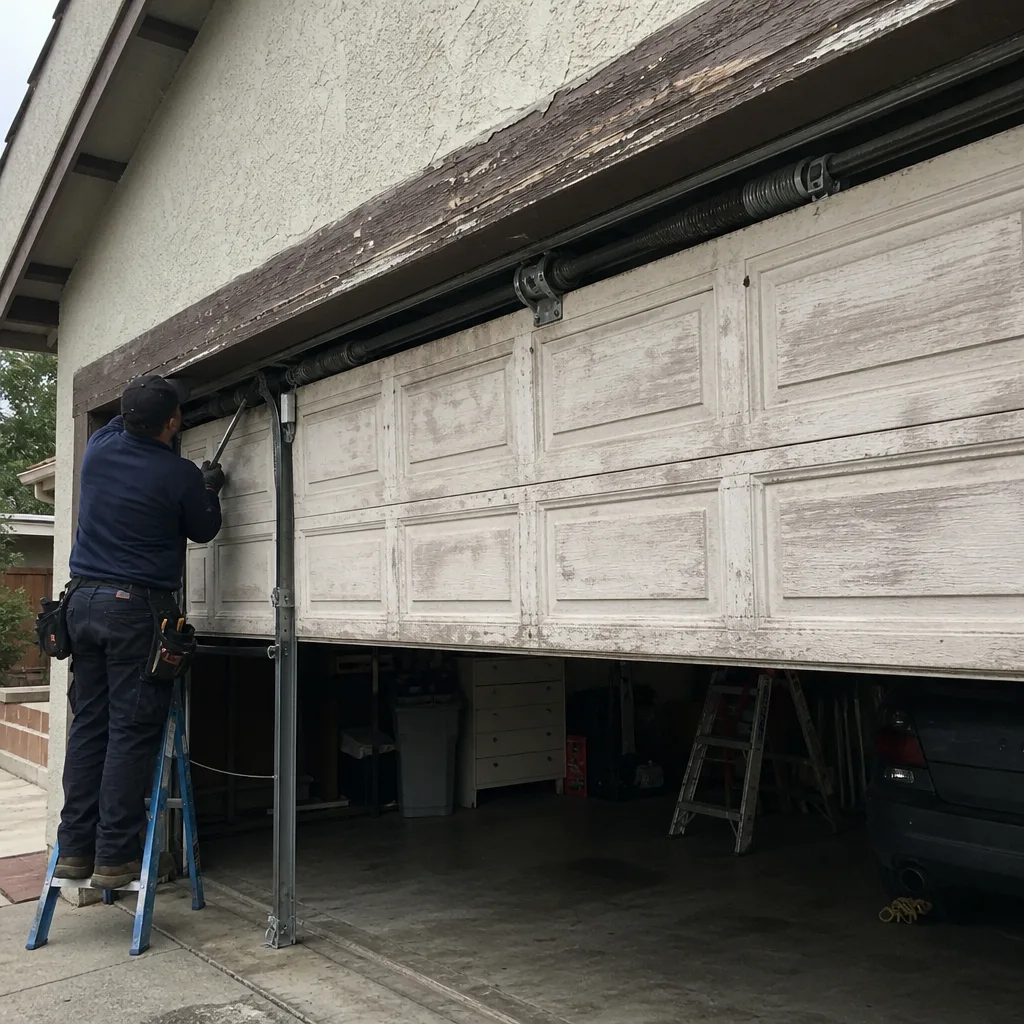 Before
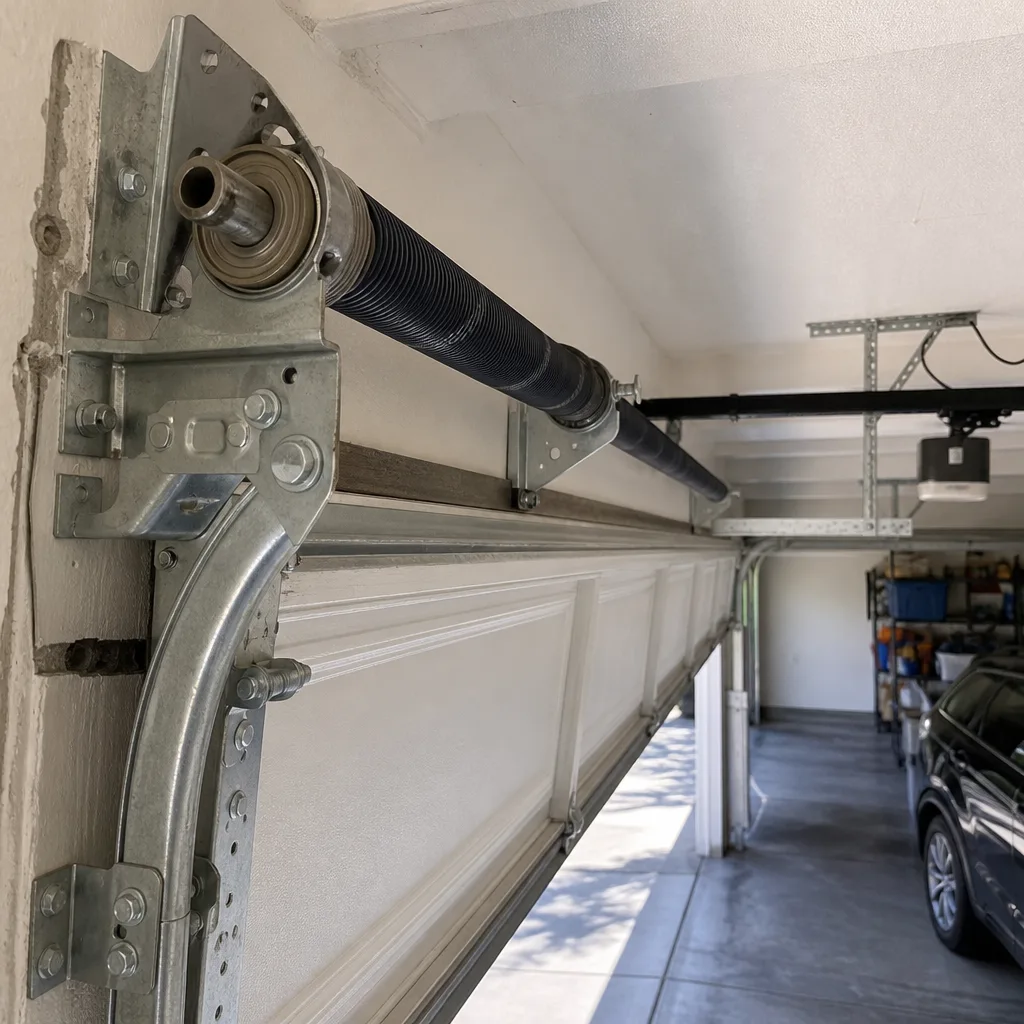 After
 Before
 After
 Before
 After