

Last updated October 30, 2026
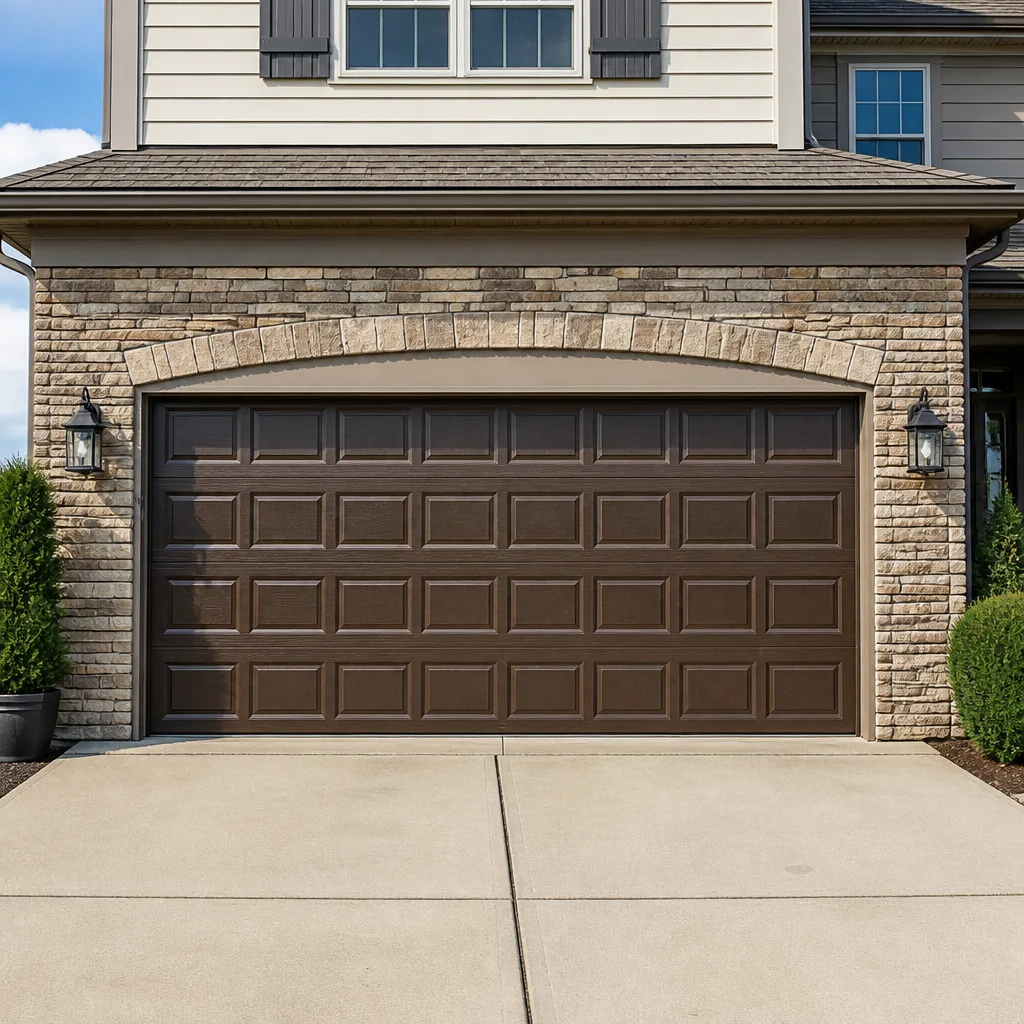 Raised-panel steel
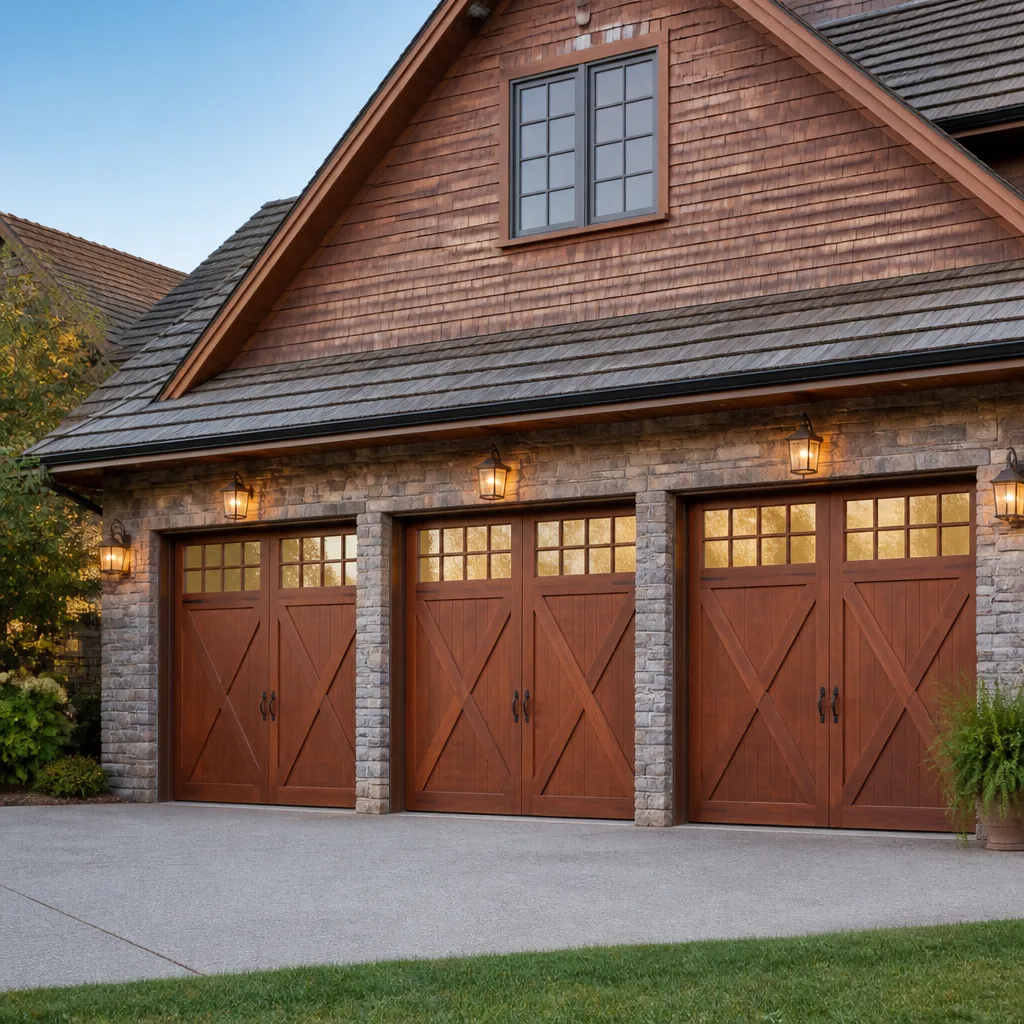 Carriage house
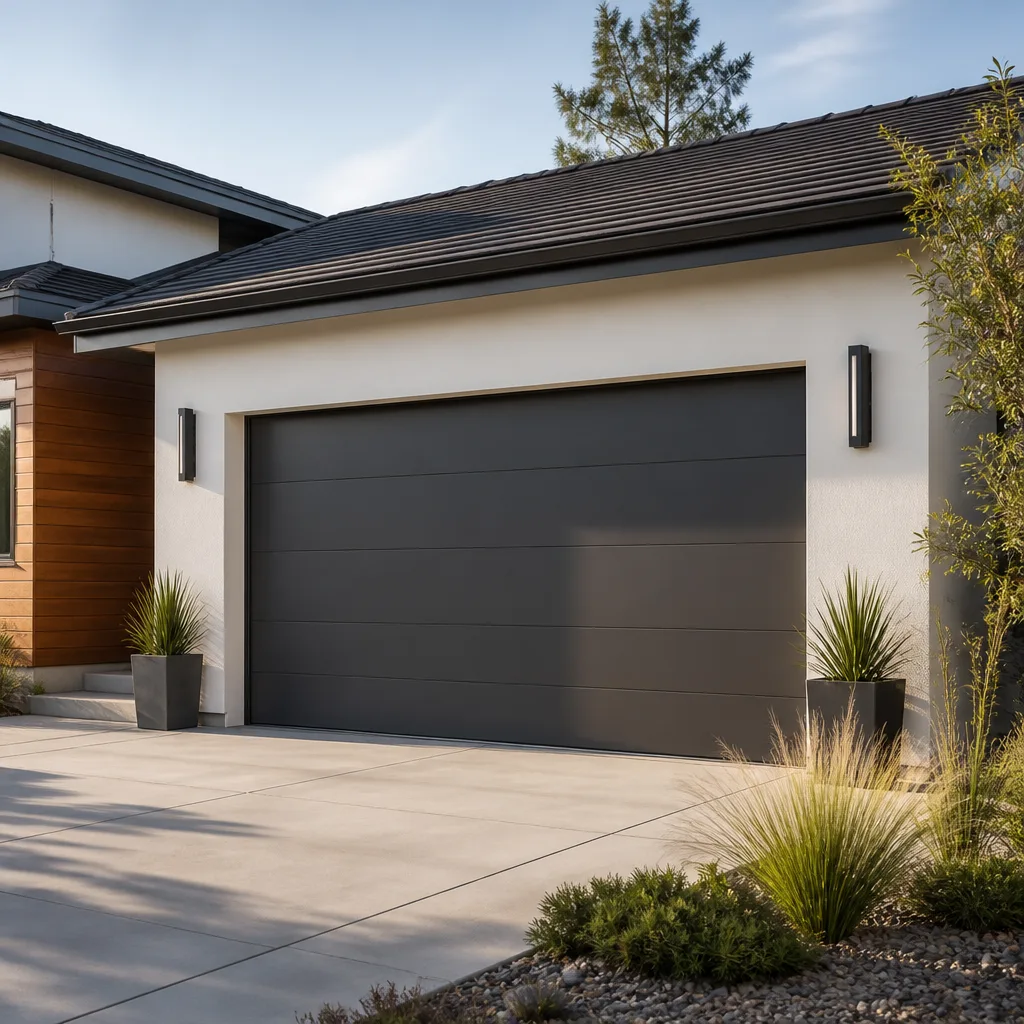 Modern flush
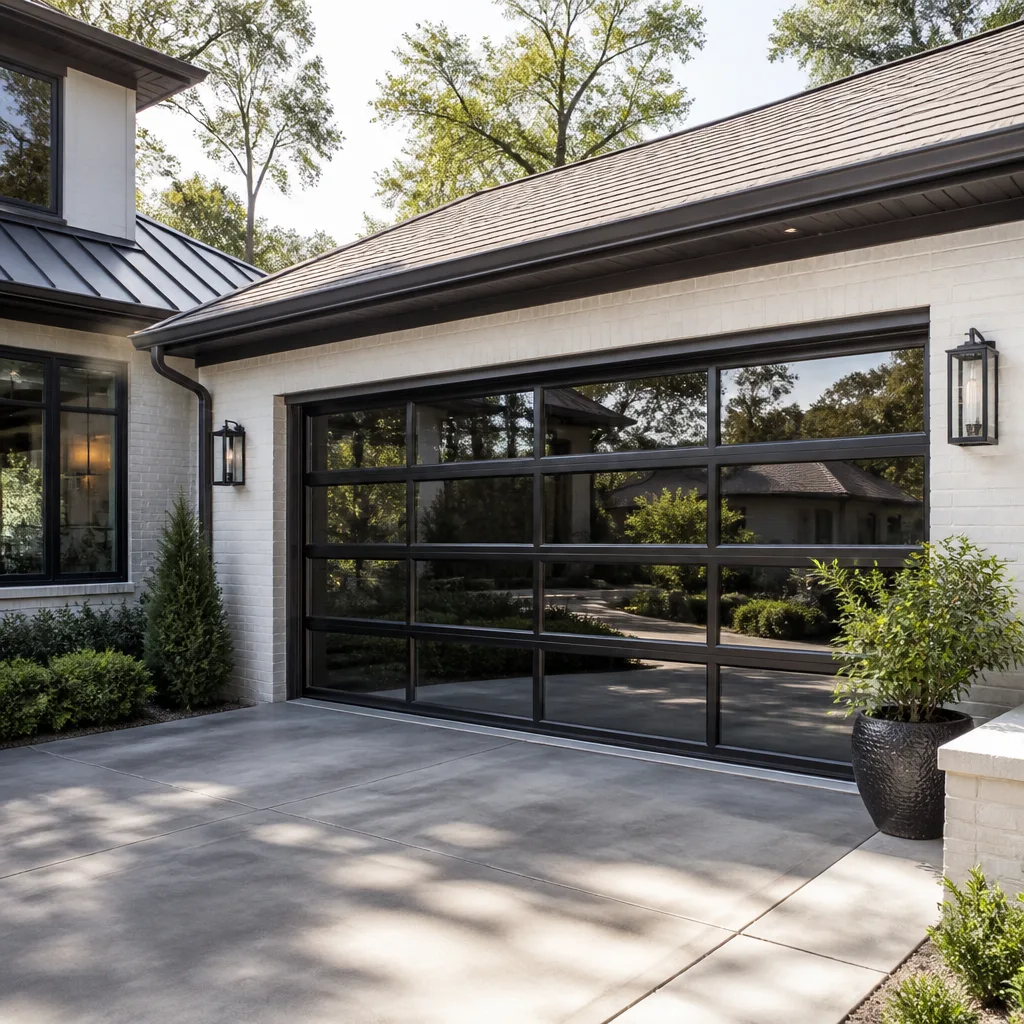 Full-view glass
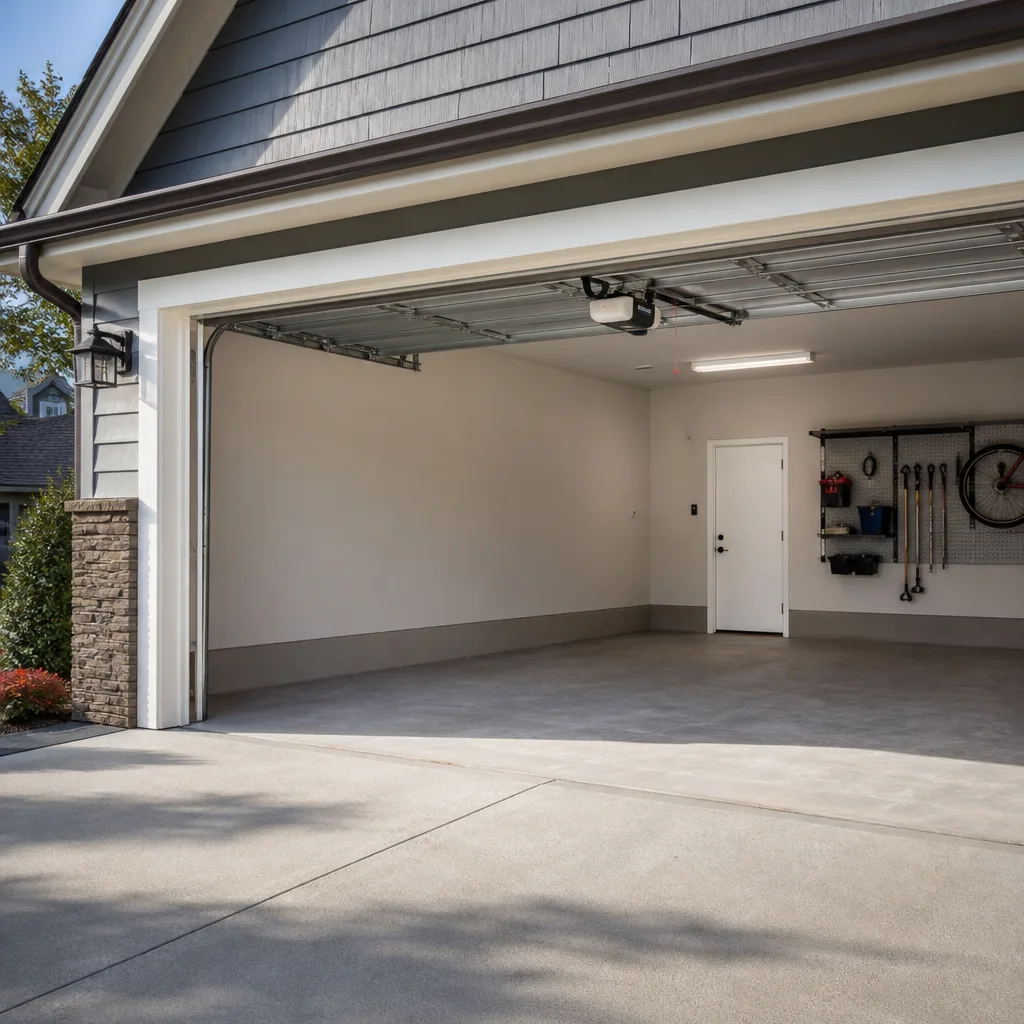 LiftMaster openers
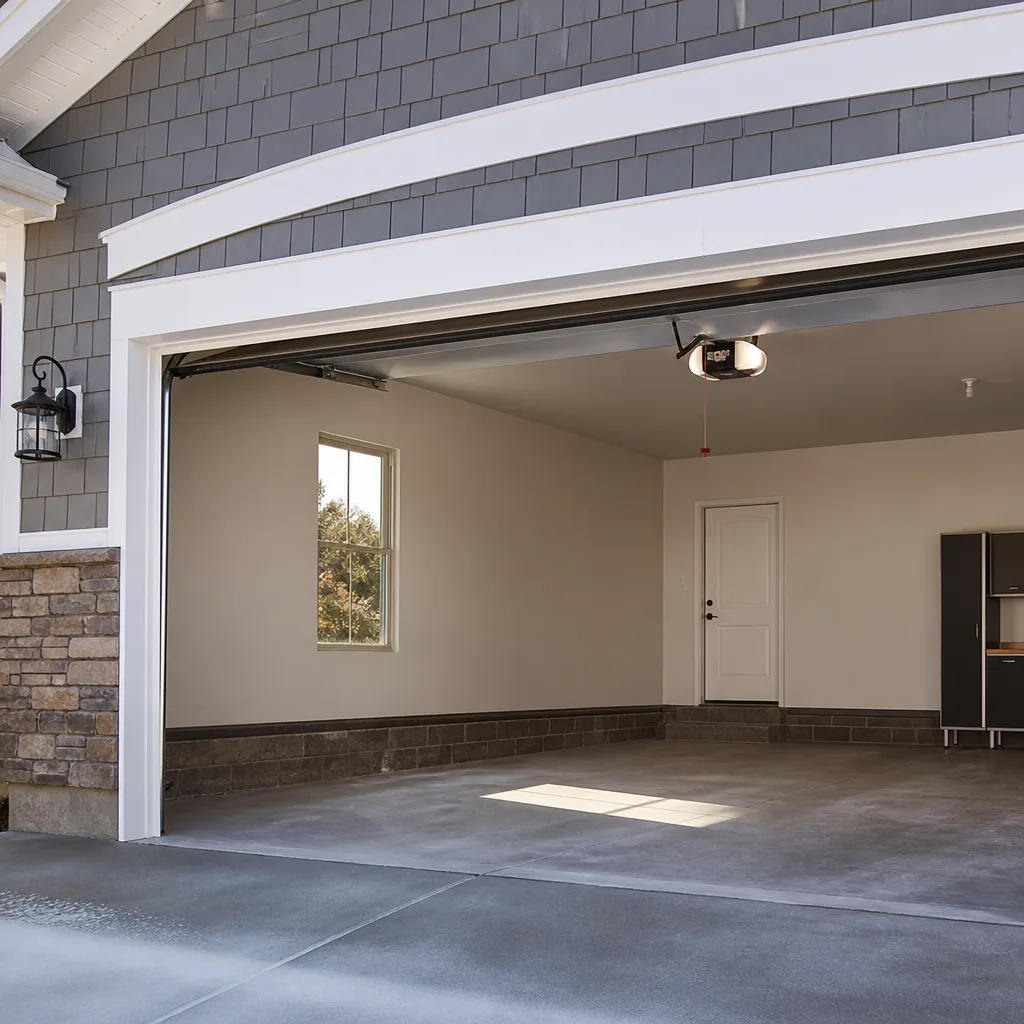 Chamberlain openers
Full 25-point door and opener safety check with every visit - springs, cables, rollers, tracks, and your LiftMaster or Chamberlain opener included
You get a price before we start. It does not change when the truck arrives.
Get your free estimateSeasonal Garage Door Care for Irvine: Year-Round Homeowner’s Guide
Here’s a number most Irvine homeowners never hear: a garage door opens and closes roughly 1,500 times per year. That’s 1,500 cycles of spring tension, track friction, roller wear, and opener strain, all happening in a climate that doesn’t play by the standard seasonal rulebook. If you’ve been following the generic “lubricate in spring, inspect in fall” advice, you’ve been timing your maintenance around New England weather patterns, not Irvine’s actual threat calendar. The truth is, Irvine doesn’t have four seasons in the traditional sense, but it has four distinct threat windows: fire season, Santa Ana season, marine layer season, and peak heat. Each one stresses your garage door system in different and predictable ways. This guide covers all of them, month by month, so you know exactly what to check, when to check it, and when to pick up the phone. For The Complete Guide to Garage Door in Irvine and more, keep reading.
Styles & brands we work with
Quick Answer
Irvine garage doors don’t fail on a temperature calendar. They fail on a wind, heat, and humidity calendar. In practice, that means the most important seasonal maintenance for Irvine homeowners is cable and track inspection in October before Santa Ana winds arrive, lubrication checks during June through September heat, seal and surface inspection during May and June marine layer months, and dust removal from tracks year-round. A homeowner can handle about 60% of this in under 30 minutes per season, and the rest belongs to a trained eye. See our The Complete Garage Door Repair Guide for Irvine Homeowners for what to tackle yourself.
Table of Contents
- Why Irvine’s Climate Demands a Different Maintenance Calendar
- Santa Ana Season (October – December): Wind and Cable Stress
- Peak Heat Protocol (June – September): Lubrication, Springs, and UV Damage
- Marine Layer Season (May – June): Rust Initiation in Coastal-Adjacent Irvine
- Fire Season Readiness: The Garage-to-House Door Check
- The Irvine Dust Baseline: Track Wear You Can’t See
- A Seasonal Maintenance Schedule That Actually Fits Irvine
- Common Mistakes to Avoid
- When to Call a Professional
- Frequently Asked Questions
- The Bottom Line
Why Irvine’s Climate Demands a Different Maintenance Calendar
Most garage door maintenance advice is written for places with snow, ice, and freezing temperatures. Irvine gets almost none of that. What we get instead is a combination of conditions that, on paper, look mild but in practice work a garage door system harder than a Michigan winter does.
The average Irvine year includes roughly 280 sunny days, summer highs that regularly push past 90 degrees, dry offshore winds that gust to 60 mph or more, and a late-spring marine layer that keeps humidity elevated for weeks at a time. Each of those conditions affects a different component of your garage door. Heat accelerates lubricant evaporation and spring metal fatigue. Wind stresses cables and track fasteners. Marine layer moisture initiates surface rust on steel doors, especially in neighborhoods closer to the coast like Turtle Rock, University Park, and Westpark. And the near-constant dust kicked up by inland wind patterns settles into tracks, rollers, and opener rails, creating a grinding paste that accelerates wear.
The homeowner who follows a generic “spring and fall” schedule will inspect their door in March and October. That misses the marine layer window entirely and shows up for Santa Ana season at the last possible moment. A better approach is to anchor maintenance to the four threat windows this guide covers. It’s not more work. It’s the same amount of work, done at the right times.
At Carriage House Garage Door Co home, we’ve built our entire Irvine service area around this calendar. When a homeowner calls us in mid-October with a snapped cable, we know exactly what happened. The wind didn’t break the cable. The wind exposed a cable that was already fatigued from ten months of heat cycling and dust abrasion. Maintenance is about catching that fatigue before the wind arrives.
Santa Ana Season (October – December): Wind and Cable Stress
Santa Ana winds are the single most predictable cause of garage door failures in Irvine. They arrive every year, they gust hard, and they test every connection point on your door. The good news is that the failures they cause follow a pattern. If you know the pattern, you can inspect for it before the first red flag warning of the season.
Here’s what happens during Santa Ana season. The wind pushes directly against the face of your garage door, and a double-wide door presents roughly 120 square feet of surface area. A 50 mph gust creates enough pressure to shift the door slightly in its tracks. Over hours of sustained wind, that shifting works every fastener, every hinge, and every cable connection point loose. The components that fail first are almost always the cables and the track brackets.
Our recommendation for Irvine homeowners is to perform a short inspection before late October, and here’s the step-by-step version we use ourselves.
- Close the door and stand inside the garage looking at the cables on both sides. Look for fraying near the bottom bracket and any kinks or flat spots along the cable’s length.
- Check the track brackets where they mount to the wall and ceiling. Place a hand on each bracket and try to shift it. Any movement at all means the fasteners are loosening and need tightening or replacement.
- Test the auto-reverse feature on your opener. Place a 2×4 flat on the ground under the door’s path and close it. The door should reverse within two seconds of contacting the wood. If it doesn’t, the opener’s force settings need adjustment.
- Verify the manual release works if your opener has one. Pull the red handle and confirm you can open the door by hand. During a power outage, which Santa Ana winds sometimes cause in Irvine, this is your only way in and out by door.
- Listen to the door as it opens and closes. Squeaks, pops, or grinding sounds indicate worn rollers, dry hinges, or a track misalignment that wind will make worse.
We work on every major opener brand, including LiftMaster, Chamberlain, and Genie, so if your opener’s force settings need adjustment, the fix is usually straightforward regardless of what’s on your ceiling. Need help Choosing the Right Garage Door Brand: A Buyer’s Guide for Irvine? We can advise. The important thing is to do the inspection before the wind does its own.
Peak Heat Protocol (June – September): Lubrication, Springs, and UV Damage
Irvine’s peak heat season runs from June through September, and it’s the least obvious threat to your garage door. Nothing dramatic happens in 95-degree weather. There’s no wind, no rain, no storm pressure. What happens instead is slow, cumulative, and chemical.
The first casualty of heat is lubrication. Standard garage door grease and spray lubricants are formulated to stay in place under normal temperatures. When the inside of an Irvine garage hits 100 degrees or higher, day after day, that lubricant thins and runs. By August, many garage doors in Irvine are running effectively dry on their hinges, rollers, and springs even though they were properly lubricated in spring. The result is increased friction, which increases stress on the opener motor and accelerates roller wear.
The second casualty is spring metal. Torsion springs are rated for a certain number of cycles, typically 10,000 for standard springs. But that rating assumes normal operating temperatures. In sustained heat, the metal expands slightly during the day and contracts at night. That thermal cycling causes micro-fatigue in the spring steel over time, and in our experience across Irvine, springs in unconditioned garages tend to fail earlier than their cycle rating suggests.
The third casualty is the rubber weatherstrip and bottom seal. UV exposure breaks down rubber compounds, and Irvine’s 280 sunny days per year mean your bottom seal is getting more UV than a garage door in Seattle gets in three years. A cracked, brittle bottom seal lets heat in, lets dust in, and provides an entry point for pests.
Here’s the peak heat maintenance routine, in order.
- In early June, apply a silicone-based lubricant to the rollers, hinges, and the torsion spring. Use a lubricant specifically designed for garage doors, not WD-40, which is a solvent and will strip existing lubrication.
- Check the bottom seal by closing the door and looking for daylight under it. Run your hand along the seal and feel for cracks or brittleness. Replace it if it’s no longer pliable.
- In August, repeat the lubrication check. If the rollers look dry, reapply. Two lubrication passes per summer is appropriate for Irvine’s heat.
- Inspect the spring visually for gaps in the coil or rust spots. Do not touch or adjust the spring yourself. Torsion springs under tension can cause serious injury. If you see any irregularity, call a pro.
For opener maintenance during heat season, keep an eye on the motor housing. If it’s hot to the touch after a single open-and-close cycle, the motor is working harder than it should, typically because the door itself has stiffened from dry rollers or track friction. That’s a fixable issue now and a burned-out motor later if ignored.
Marine Layer Season (May – June): Rust Initiation in Coastal-Adjacent Irvine
May and June in Irvine mean gray mornings. The marine layer rolls in overnight, burns off by mid-morning, and repeats for weeks. For most of Irvine, this is a mild nuisance. For your garage door, it’s a rust initiation window.
The neighborhoods closest to the coast, including Turtle Rock, University Park, and parts of Westpark, experience the most persistent marine layer coverage. What happens on a steel garage door during this season is simple: overnight humidity condenses on the cool metal surface, and if any portion of that surface has exposed steel, whether from a scratch, a chip, or worn paint, rust begins. It doesn’t look like much at first. A small orange dot here, a hairline of discoloration along a panel seam there. But once rust has a foothold, every subsequent marine layer season feeds it, and a door that could’ve lasted 20 years starts showing structural rust at year 12.
The Irvine-specific check for this window:
- Inspect for scratches and chips on the door’s exterior panels, especially along the bottom edge and the seams between panels.
- Look for rust spots anywhere on the door face, the track, the hinges, or the spring. Early rust on a steel door is surface rust and treatable. Rust on the spring or cables is a structural warning sign.
- Check the weatherstrip along the sides and top of the door opening. If it’s compressed, cracked, or missing, marine layer moisture is getting into the garage and condensing on everything inside.
- Touch-test the door surface on a damp morning before the sun burns off the layer. If the door feels wet, moisture is sitting on it for hours each day. A door that feels dry has sufficient paint or coating protection.
If you’re in the market for a new door and live in one of Irvine’s coastal-adjacent neighborhoods, this is worth factoring into your material choice. We install garage door installation in Costa Mesa as well as Irvine, and we routinely advise homeowners near the coast to consider aluminum, vinyl, or factory-finish steel doors with a rust-resistant coating rather than bare steel panels. The difference in lifespan is measured in years, not months.
Fire Season Readiness: The Garage-to-House Door Check
Irvine sits in a high fire hazard severity zone, and while the city’s building codes are rigorous, many homes predate the current standards. The single most overlooked fire-readiness item in an Irvine garage is the door that connects the garage to the house interior.
If your garage is attached to your home, and it was built under modern California building code, that connecting door is a fire-rated door with a self-closing mechanism. Its job is to create a fire barrier between the garage, where vehicles, fuel, and flammable storage live, and the living space. The door itself matters, but the self-closing feature matters just as much. A fire door propped open with a wedge or a box, or a self-closer that’s been disconnected, provides no protection.
Here’s the fire-season check to run every September, before the Santa Ana winds arrive with their fire potential.
- Locate the door between your garage and the house interior. Confirm it’s a solid-core or fire-rated door. If it’s a hollow interior door, it’s a code violation and should be replaced.
- Check for a self-closing hinge or arm at the top of the door. Open the door halfway, then let go. It should close fully and latch on its own.
- Inspect the weatherstrip and threshold seal around the door. Gaps let smoke and fumes migrate from the garage into the house, even in a small fire.
- Check the door sweep at the bottom and the perimeter gasket. Replace any that are compressed, cracked, or missing.
- Verify the automatic opener’s force settings on the main garage door are correct. In a fire or high-wind event, a properly adjusted door closes and seals more reliably.
This check takes about five minutes and it’s the kind of thing that never makes the “spring maintenance” lists. It should be on every Irvine homeowner’s September calendar.
The Irvine Dust Baseline: Track Wear You Can’t See
Here’s a maintenance factor that’s unique to Southern California and almost never mentioned in generic garage door guides: airborne dust. Between the Santa Ana winds, the dry inland conditions, and the general aridity of the region, Irvine garages accumulate dust faster than garages in most of the country. That dust settles on the tracks, the rollers, the hinges, and the opener rail. Then it mixes with the grease and lubricant that’s already there. The result is a fine abrasive paste that grinds against moving parts every time the door cycles.
We see the consequences of this in Irvine garages on a weekly basis. Rollers that should last 10,000 cycles wear out in 7,000. Opener rails develop grooves. Hinges seize. Track fasteners work loose because the constant micro-vibration from grinding wears away the metal around the screw holes.
The fix isn’t complicated, but it does need to be done. Here’s the dust maintenance routine for Irvine homeowners.
- Quarterly track cleaning: Wipe the vertical and horizontal tracks with a clean, dry cloth. If there’s visible buildup, use a mild degreaser and then reapply a light lubricant. Do this once per quarter, minimum.
- Roller inspection every six months: Look at each roller for flat spots, wobble, or visible wear on the bearing. A worn roller accelerates track wear, and a track replacement is more expensive than a roller replacement.
- Opener rail wipe-down: The rail above your car, where the trolley travels, collects dust just like the tracks. Wipe it dry and apply a light coat of lithium grease twice a year.
- Photo-eye lens cleaning: The safety sensors at the base of the door tracks get dusty fast in Irvine. Wipe the lenses with a dry or slightly damp cloth whenever you clean the tracks. Dirty photo-eyes are a common cause of “the door won’t close” service calls in Irvine.
If you’ve been lubricating your door but not cleaning the tracks first, you’ve been mixing new grease into old abrasive paste. Clean first, then lubricate. That order matters.
A Seasonal Maintenance Schedule That Actually Fits Irvine
Here’s the full year, organized by Irvine’s actual threat calendar. Print this or save it. If you follow this schedule, you’ll catch most problems before they become breakdowns, and you’ll know when to call a professional for what you shouldn’t handle yourself.
October (Santa Ana Prep)
- Cable inspection: look for fraying at the bottom brackets
- Track fastener check: hand-tighten anything loose
- Auto-reverse test: use the 2×4 method
- Manual release test: confirm you can open the door by hand
- Fire door check: self-closing mechanism and seal condition
November – December (Santa Ana Season)
- After each high-wind event: recheck cables and track brackets
- Listen for new sounds during door operation
- Confirm the door seals properly at the bottom after wind-driven debris
January – February (Cool, Dry)
- Visual spring inspection: gaps, rust spots, misalignment
- Track cleaning: remove accumulated dust and debris
- Roller inspection: flat spots or wobble
March – April (Transition)
- Full lubrication: hinges, rollers, torsion spring (silicone-based lube only)
- Bottom seal inspection: cracks, brittleness, daylight visible under door
- Photo-eye lens cleaning
May – June (Marine Layer Season)
- Rust check: door face, seams, hinges, track, spring
- Weatherstrip inspection: side and top seals
- Damp-morning touch test: is moisture sitting on the door surface?
July – September (Peak Heat)
- Mid-summer re-lubrication of rollers and hinges
- Opener motor temperature check: hot to the touch after one cycle means friction
- Bottom seal UV check: replacing it now prevents pest and dust entry
This schedule assumes about 30 minutes of homeowner time per season. Most of it is visual inspection and simple cleaning. None of it requires touching the torsion spring or cables under tension, which is a job for a trained technician.
Common Mistakes to Avoid
- Following a spring-and-fall maintenance calendar designed for other climates. Irvine homeowners who lubricate in March and inspect in September are checking at the wrong points in the local threat cycle. Anchor your schedule to Santa Ana season, marine layer season, peak heat, and fire season instead.
- Using WD-40 on the rollers and hinges. WD-40 is a solvent, not a lubricant. It strips existing grease and leaves metal surfaces with less protection than they had before you sprayed them. Use a silicone-based garage door lubricant instead.
- Lubricating without cleaning first. In a dusty environment like Irvine, new lubricant mixed with accumulated dust creates abrasive paste that grinds against tracks and rollers. Always wipe clean before you lubricate.
- Ignoring the garage-to-house fire door. This door gets almost zero attention from homeowners and it’s one of the most important fire safety features in an Irvine home. Check the self-closing mechanism and seals every September.
- Adjusting the torsion spring without the right tools and training. Torsion springs are under hundreds of pounds of tension. The force released when they snap or slip can cause serious injury or death. This is one repair where DIY is never the right call.
- Assuming the bottom seal is fine because it looked fine in March. Irvine’s UV exposure degrades rubber fast. By September, a seal that looked healthy in spring can be cracked and leaking. Check it every season, not once a year.
When to Call a Professional
Some maintenance tasks are appropriately DIY. Some are not. The dividing line is straightforward: if the component is under tension, connected to electricity, or load-bearing, leave it to a trained technician. Torsion spring adjustment and replacement, cable replacement, and track realignment all fall into that category. The same goes for any opener electrical issue beyond replacing the remote battery.
If your inspection turns up a frayed cable, a spring with visible gaps or rust, a door that’s off-balance when you open it manually, or an opener that’s running hot, that’s a service call, not a weekend project. Carriage House Garage Door Co offers free estimates in Irvine, and we work on every major brand, including LiftMaster, Chamberlain, Genie, and Clopay. Call (866) 472-7503 for a free estimate.
We also handle garage door repair in Costa Mesa and garage door opener repair in Costa Mesa, so if you’re near the Irvine border, we’re in your neighborhood regularly.
Frequently Asked Questions
Basic seasonal maintenance that a homeowner can perform themselves costs around $20 to $40 per year for quality silicone lubricant and the occasional replacement bottom seal, which runs $15 to $35 at local hardware stores. Professional maintenance from a garage door company in Irvine typically runs between $95 and $160 for a full inspection, lubrication, and adjustment. Call (866) 472-7503 for a free estimate on professional seasonal maintenance.
In Irvine’s climate, most garage doors need lubrication twice per year at minimum: once in March or April, and a second time in July or August. The summer heat causes lubricant evaporation and thinning, so a single spring application won’t carry a door through September. If your garage faces direct afternoon sun or you’re near open space with high dust exposure, consider quarterly lubrication.
No. At Carriage House Garage Door Co, the price is quoted and agreed before any work starts. If the inspection uncovers something unexpected, we’ll show you what we found and give you a new quote. Nothing gets done without your approval.
Yes. Santa Ana season is our busiest time for cable inspections and track fastener checks in Irvine. If your inspection turned up fraying or loose brackets, call (866) 472-7503 and we’ll send a technician out.
We stock the most common parts on our service vehicles, including cables, rollers, springs, hinges, and bottom seals that fit the major brands we service in Irvine, including LiftMaster, Chamberlain, Genie, and Clopay. For less common parts, we can typically source them within a day or two.
For most Irvine homes, yes. The UV and dryness cause bottom seals to crack and lose pliability within one year, especially on south-facing and west-facing doors. A replacement seal costs under $35 and prevents heat loss, dust entry, and pest intrusion. It’s one of the best-value seasonal maintenance items available.
The Bottom Line
Irvine doesn’t have seasons in the conventional sense, but it does have a predictable annual cycle of environmental stresses: Santa Ana winds in the fall, marine layer moisture in late spring, peak heat in the summer, and year-round dust. A garage door that gets inspected and maintained against those specific threats will last longer, operate more quietly, and fail less often than a door maintained on a generic seasonal schedule. The homeowner tasks are simple: inspect, clean, lubricate, and know the limits of what’s safe to touch. Everything else belongs to a professional. If you want an expert’s eye on your door before the next threat window arrives, give us a call at (866) 472-7503. For more guides & resources, visit our blog.
Written by the team at Carriage House Garage Door Co, serving Irvine since 2013.
See the difference
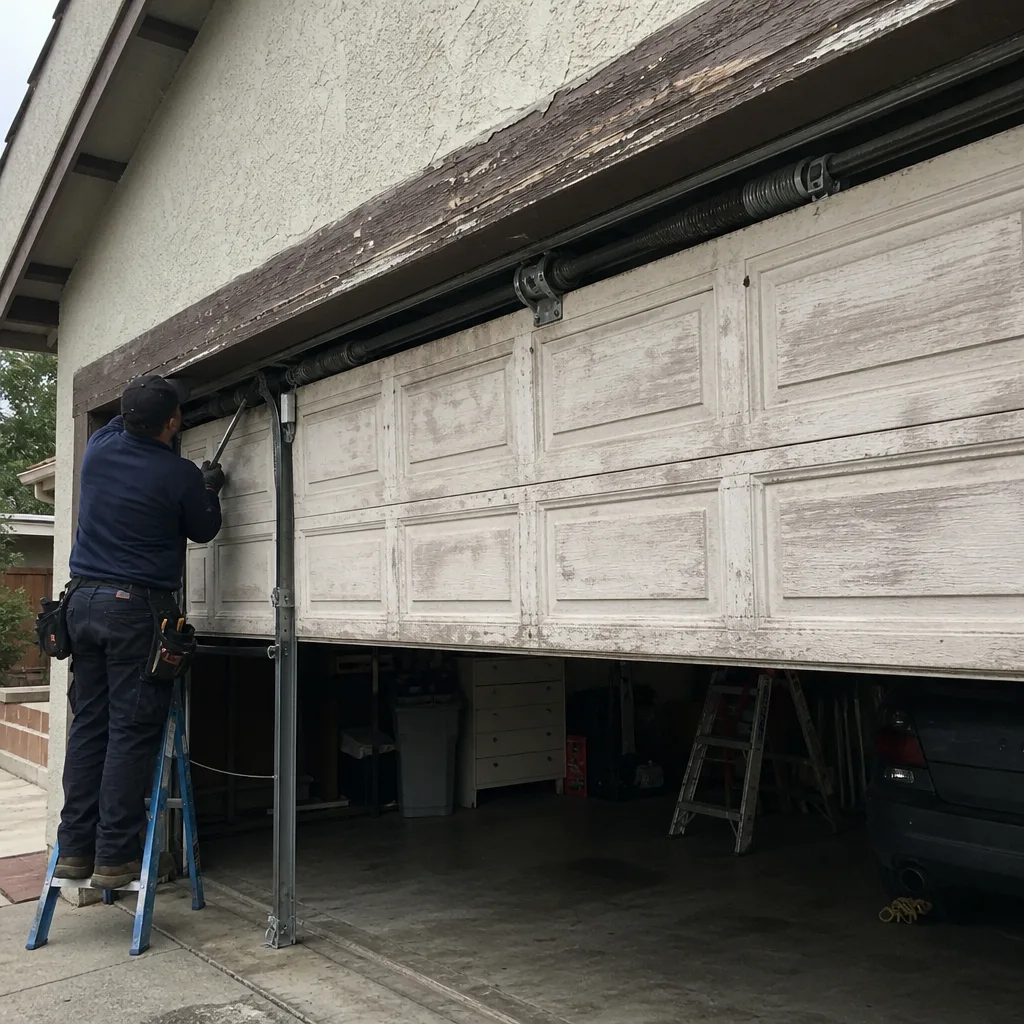 Before
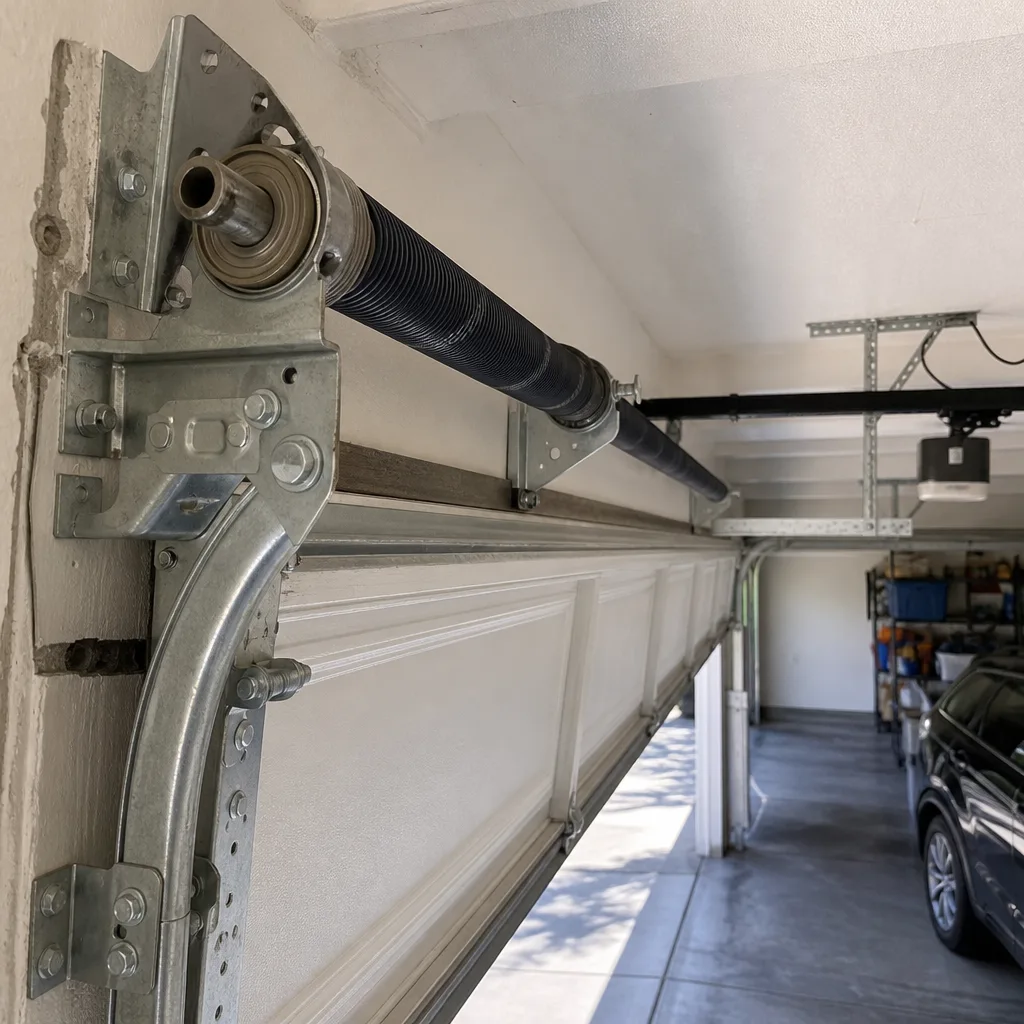 After
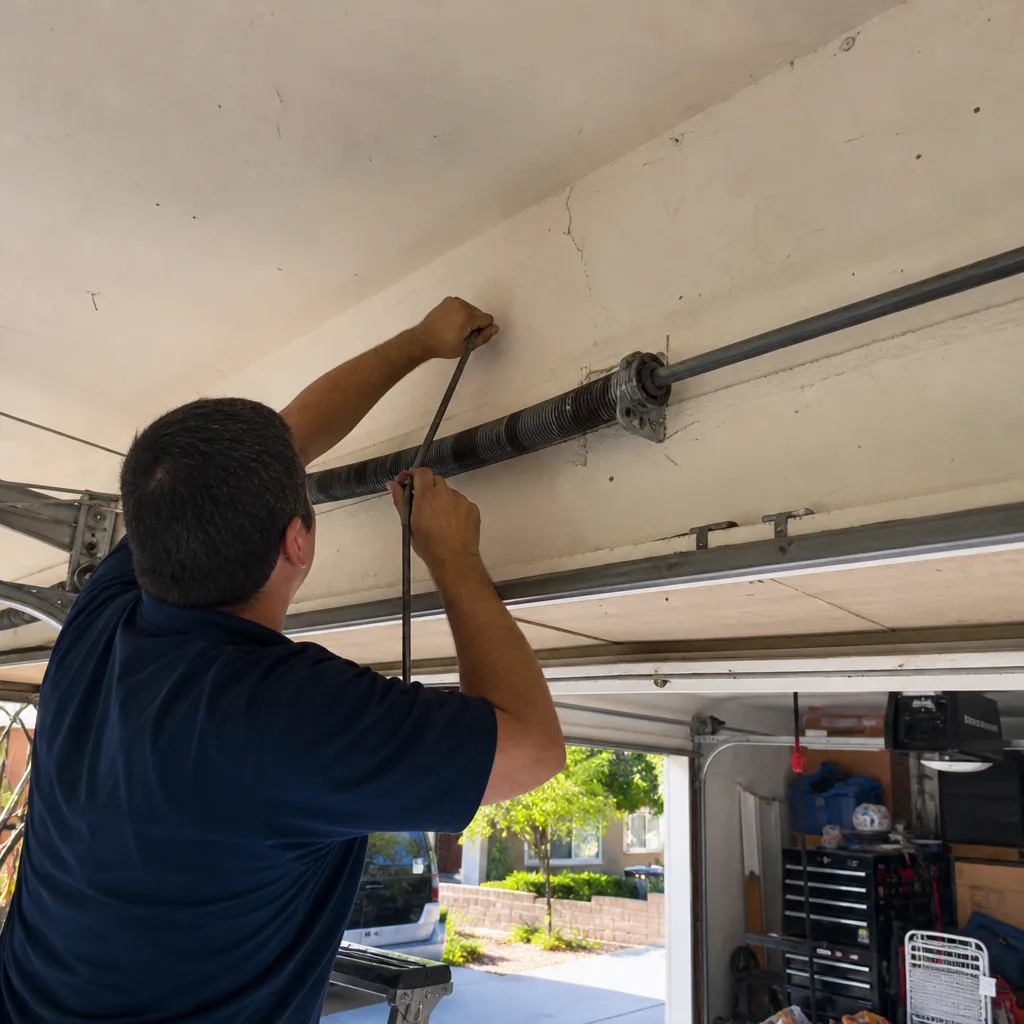 Before
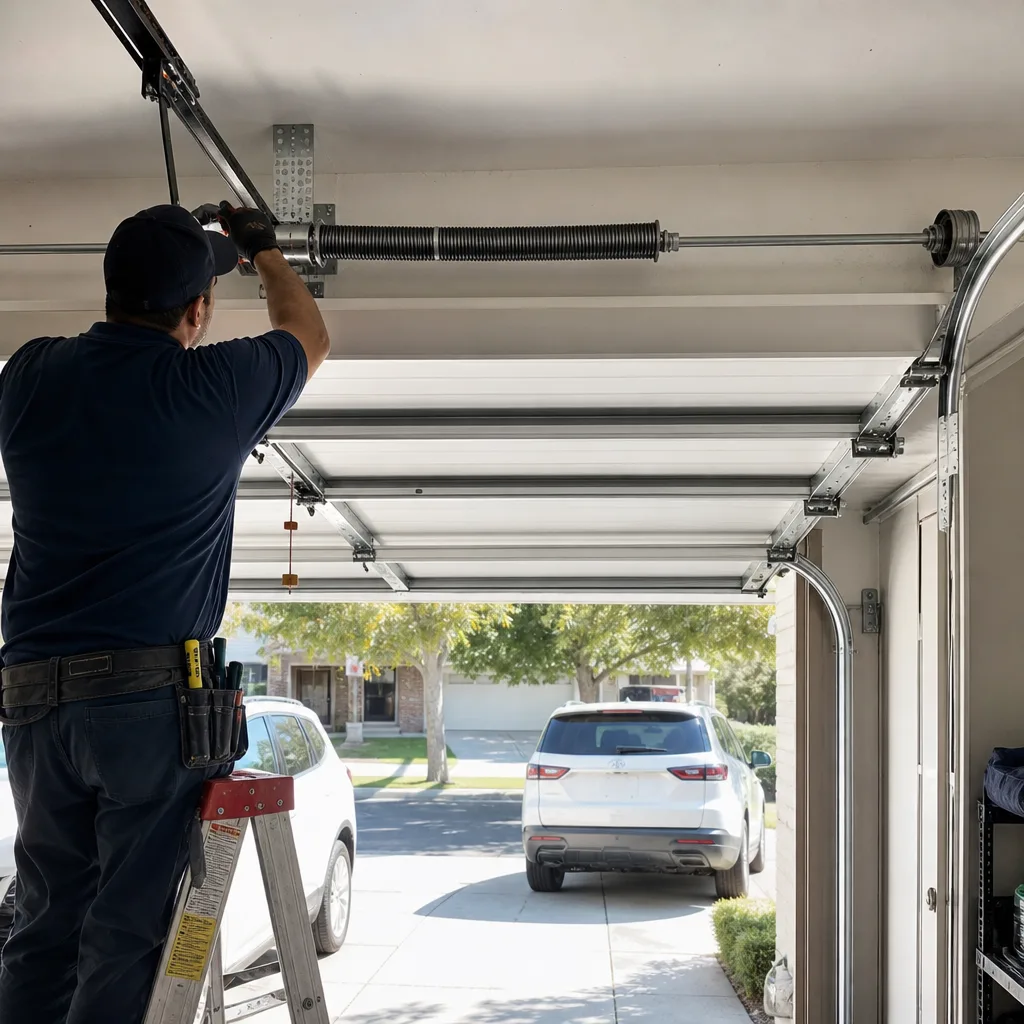 After
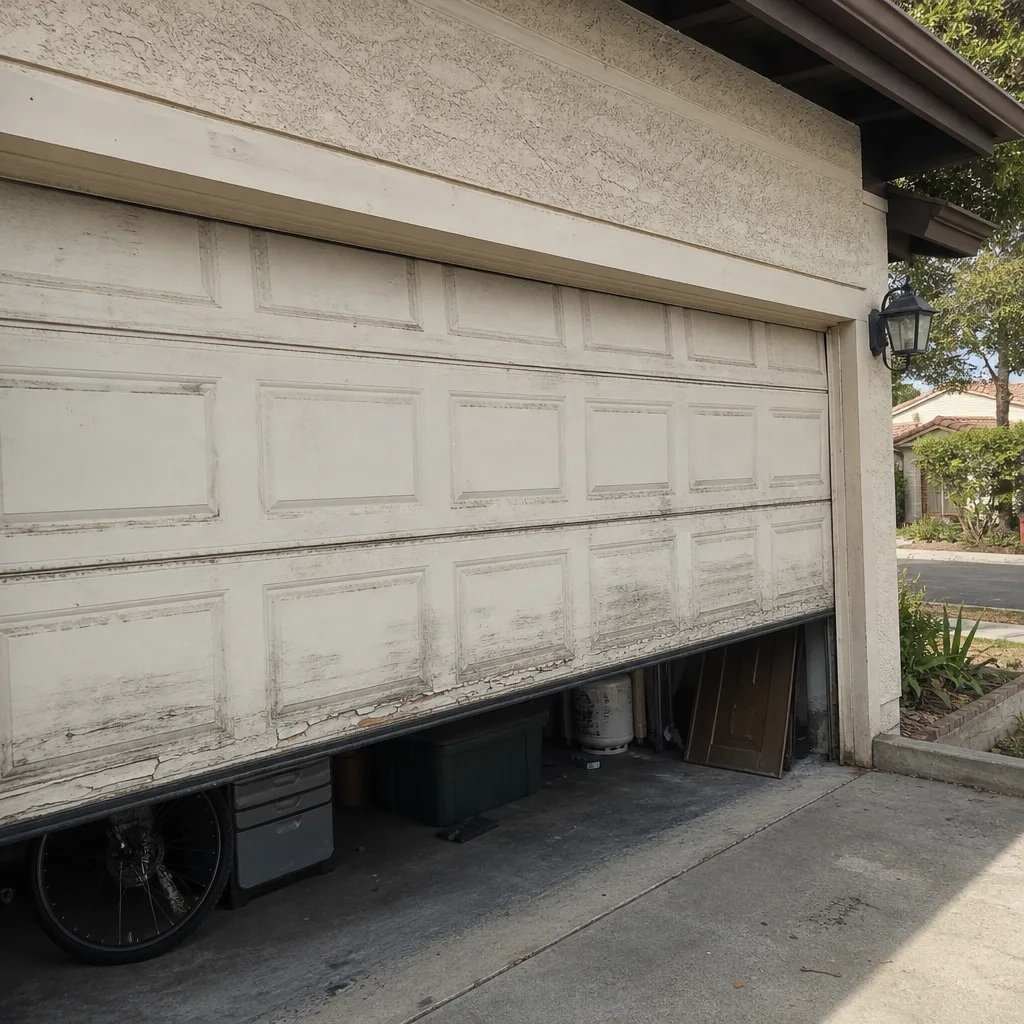 Before
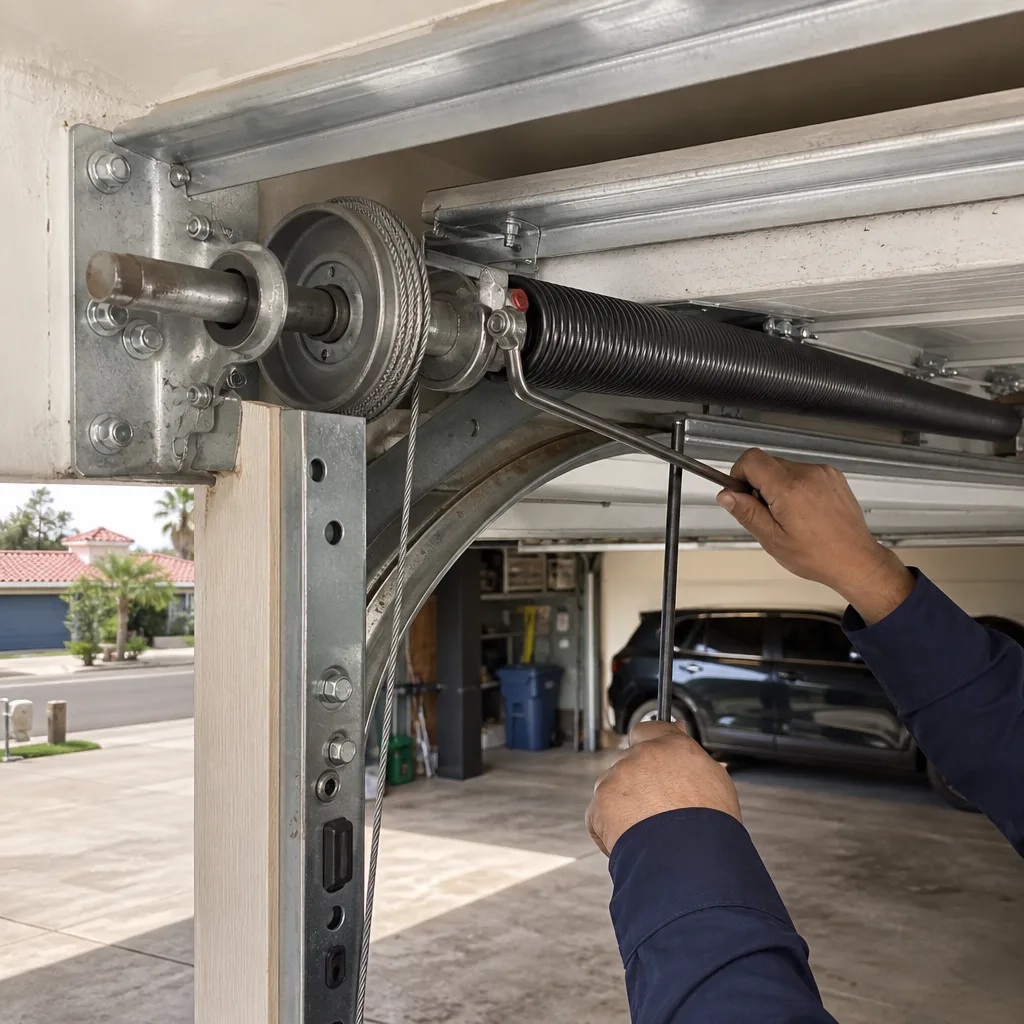 After