

Last updated October 30, 2026
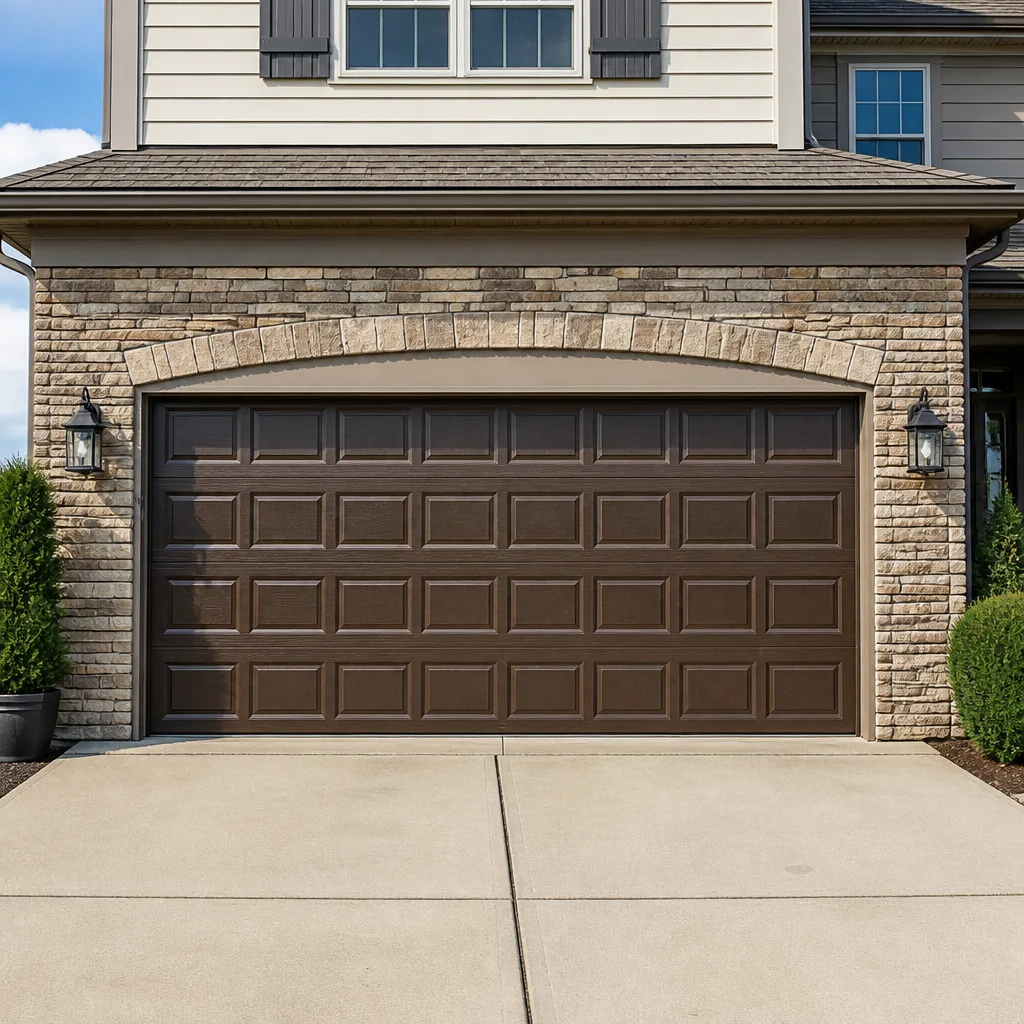 Raised-panel steel
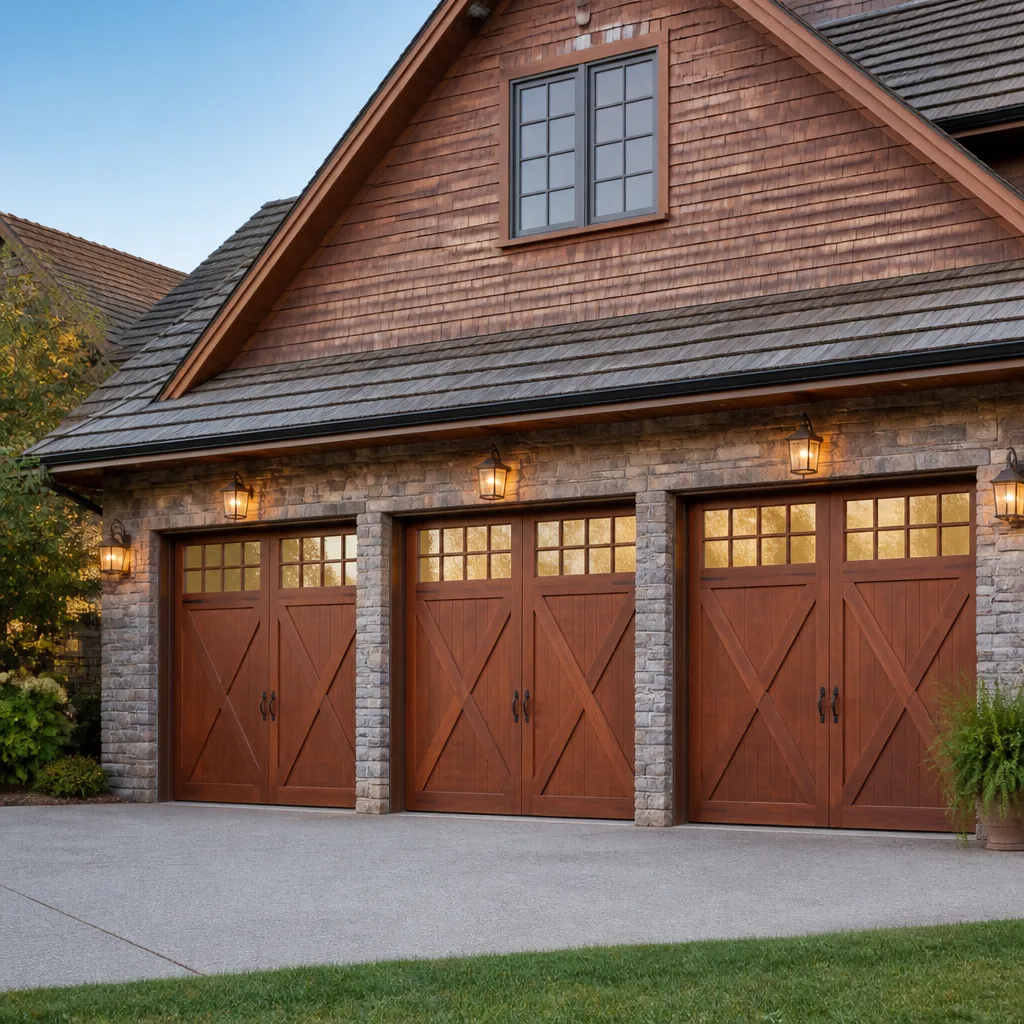 Carriage house
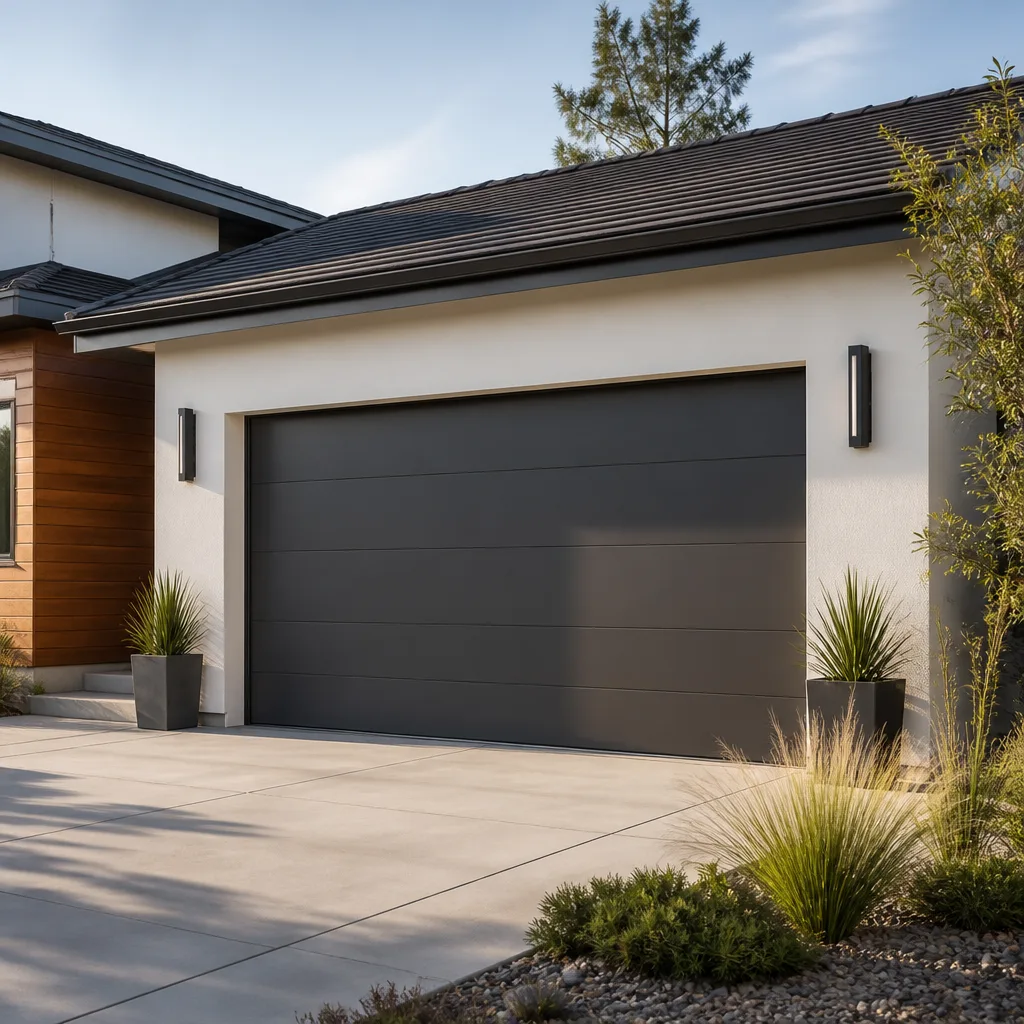 Modern flush
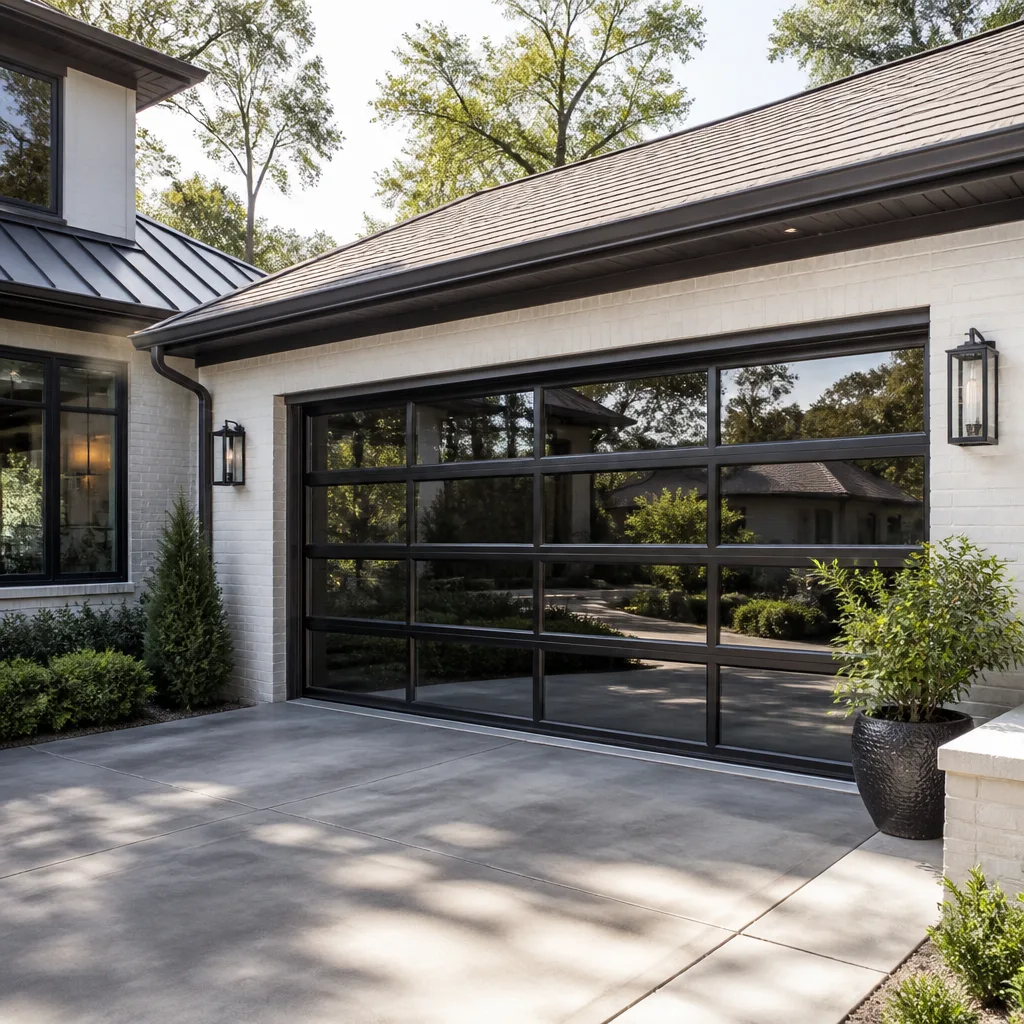 Full-view glass
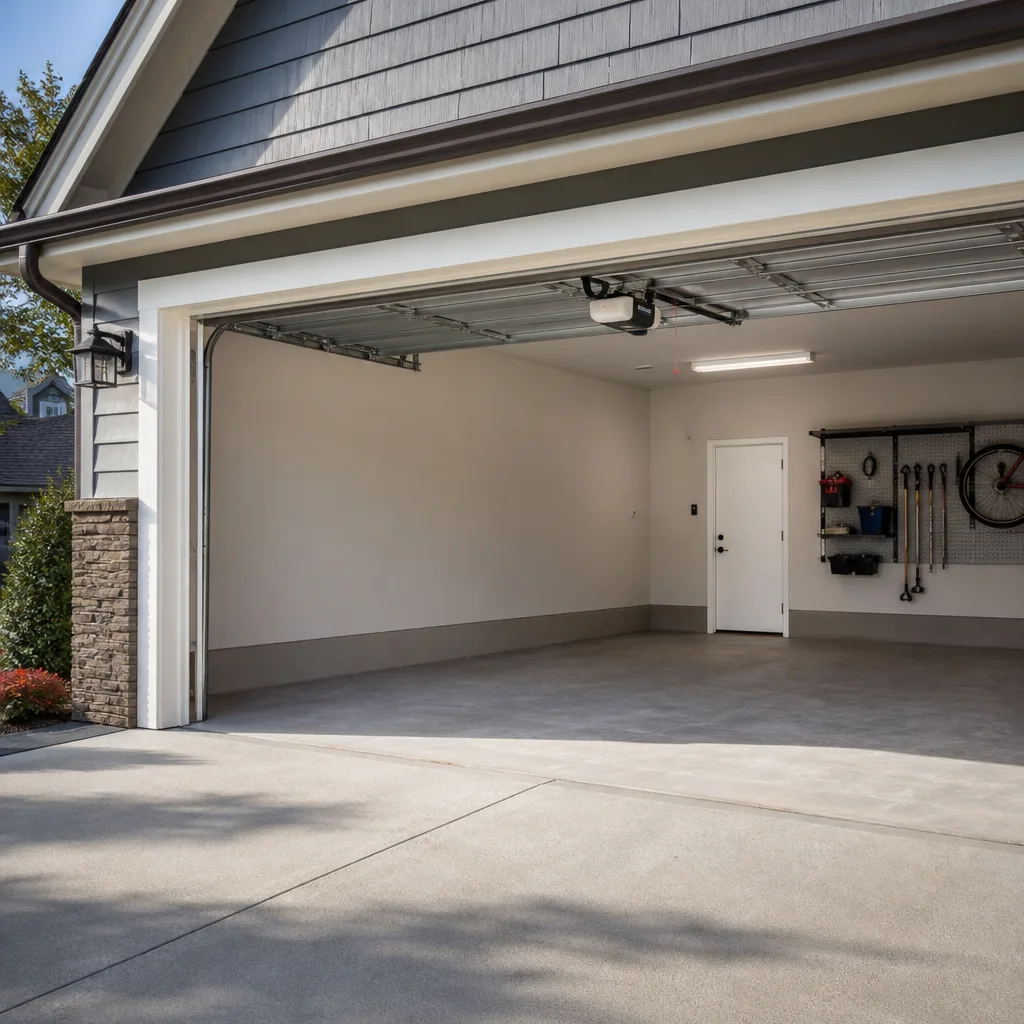 LiftMaster openers
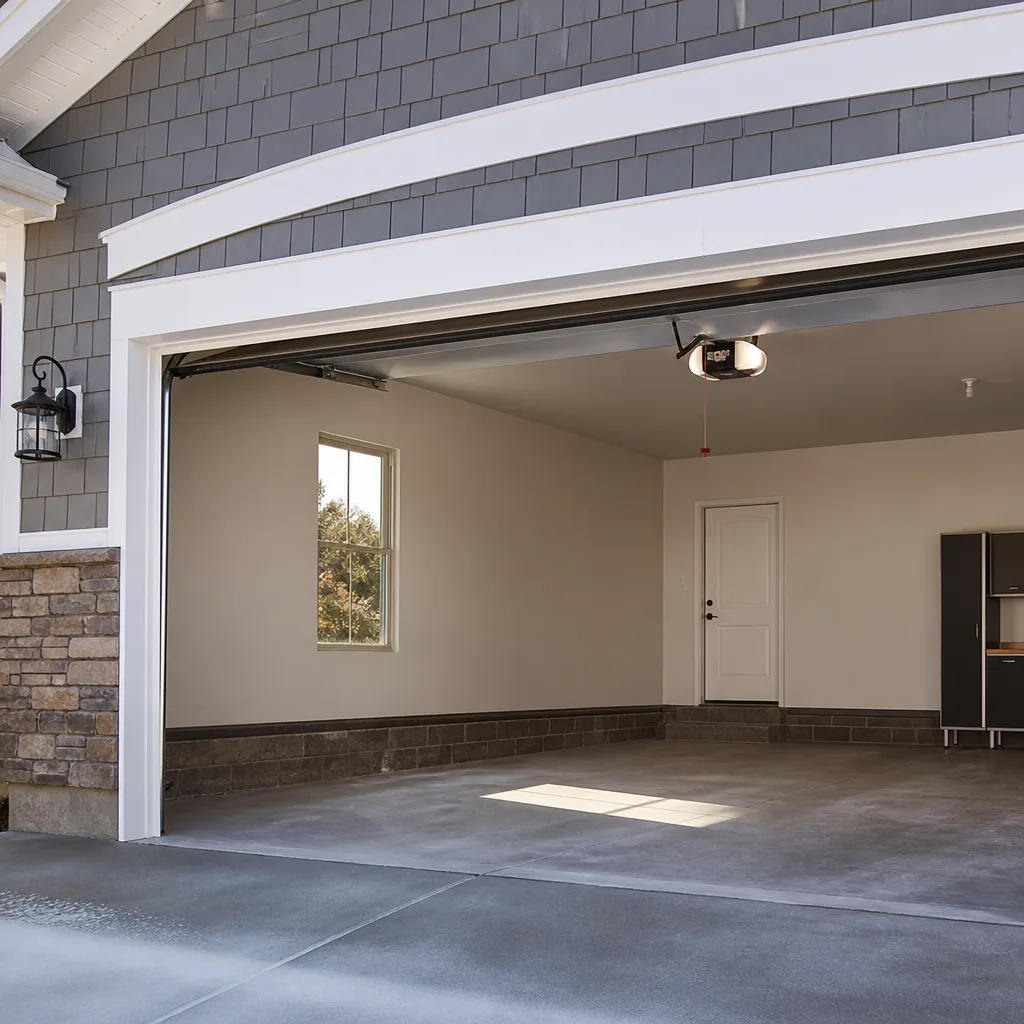 Chamberlain openers
Full 25-point door and opener safety check with every visit - springs, cables, rollers, tracks, and your LiftMaster or Chamberlain opener included
You get a price before we start. It does not change when the truck arrives.
Get your free estimateDIY vs Professional Garage Door: The Irvine Homeowner’s Decision Guide
Every year, torsion spring failures send hundreds of homeowners to emergency rooms across the country. The injuries aren’t caused by a lack of skill, a skipped YouTube tutorial, or a cheap part. They’re caused by physics. A wound torsion spring on a double-wide Irvine garage door stores roughly the same kinetic energy as a small-caliber bullet, and when that spring releases unexpectedly, no amount of confidence changes what happens next. This guide won’t tell you to never touch your garage door. It will tell you exactly which tasks an Irvine homeowner can handle safely, which ones require a contractor under California code, and how to make a smart call before you put your hands on the hardware. For Garage Door Emergency Preparedness Guide for Irvine Homes and related topics, see our blog.
Quick Answer
Most Irvine homeowners can safely handle a handful of low-risk garage door maintenance tasks: visual inspections, track cleaning, sensor realignment, and opener remote programming. But any work involving torsion springs, lift cables under tension, track anchor bolts, or major panel replacement crosses into genuine danger and California permitting territory. When a job requires winding bars, cable clamps, or removing hardware mounted to the door header, professional service is usually the cheaper option once you factor in tool costs, hospital risk, and the resale disclosure paperwork that follows an unpermitted self-installation in Irvine.
Styles & brands we work with
Table of Contents
- Where the Safety Boundary Actually Sits
- Task by Task: Safe DIY vs Call a Pro in Irvine
- The Irvine Permit Factor Most DIY Guides Skip
- The Hidden Cost: Specialty Tools and Your Time
- Opener Reprogramming and Sensor Alignment: The DIY Wins
- What Your Garage Door Brand Means for DIY Work
- How to Be an Informed Collaborator on a Professional Job
- Common Mistakes to Avoid
- When to Call a Professional
- Frequently Asked Questions
Where the Safety Boundary Actually Sits
We’ve been called to Irvine homes after DIY attempts went wrong more times than we care to count. The pattern is almost always the same: a homeowner with decent mechanical aptitude watched a video, bought the parts from a hardware store, and understood the concept but not the consequence. The line between safe DIY garage door work and dangerous DIY garage door work isn’t about intelligence. It’s about stored energy and failure mode.
A quick way to think about it: if the component you’re touching stores mechanical energy you didn’t put there, that’s a professional-only job. Torsion springs store enormous rotational force. Extension springs, though slightly less dangerous, still store enough tension to break bone. Lift cables carry the door’s entire weight continuously. Those three components, plus the bottom bracket they attach to, account for nearly every serious garage door injury in Southern California.
Irvine’s newer housing stock adds another layer here. Many homes in neighborhoods like Woodbury, Turtle Rock, and Northwood were built in the 1980s through early 2000s, which means their original garage doors are now reaching end-of-life on springs and cables simultaneously. That combination makes DIY work more tempting, since everything seems worn at once, but it also makes the risk higher because multiple components are close to failure. We see doors held together by habit more than structure in Irvine’s older subdivisions.
The rule we give homeowners is simple. If you can touch the part without releasing stored tension, removing load-bearing fasteners, or working from a ladder at height near a taut cable, it’s probably in the safe DIY category. Everything else belongs to someone with training and liability coverage.
Task by Task: Safe DIY vs Call a Pro in Irvine
Here’s the precise breakdown we’d give a neighbor in Irvine who asked where the line sits. We’ve grouped tasks into three categories based on the injury risk, the tool burden, and the legal exposure under California residential code.
Category 1: Safe for the Capable Homeowner
- Visual inspection of springs, cables, rollers, and weatherstripping: No mechanical contact required. You can spot wear before it becomes a failure.
- Track cleaning with a degreaser and rag: Remove built-up Irvine dust and road grime from vertical and horizontal tracks. Don’t remove the tracks or loosen the anchor bolts.
- Opener remote programming and keypad reset: All electronic. Consult your opener manual for the specific brand sequence.
- Safety sensor realignment: If the LED lights indicate misalignment, gently adjust the sensor bracket until both lights are steady. No tension involved.
- Lubrication of rollers, hinges, and bearing plates: Use a white lithium grease spray on metal-on-metal contact points. Never lubricate the belt or chain itself.
- Weatherstrip replacement along the bottom edge: Slide out the old T-channel strip and press in the new one. Requires no tool more aggressive than a utility knife.
Category 2: Borderline, but Approachable with the Correct Tools
- Roller replacement on non-tension hinges: Most rollers can be swapped without touching tension hardware, but the top and bottom rollers are exceptions. On the bottom roller, cable tension keeps the bracket in place, and on the top, the bracket is often also a cable anchor point. Those lower rollers are not a DIY job.
- Opener remote diagnostic and capacitor check: If you’re comfortable with a multimeter and can confirm the capacitor is discharged, this is doable. But modern openers from Garage Door Opener Repair in Costa Mesa territory often need proprietary diagnostic tools for logic board faults.
- Panel dent filling and repainting on newer doors: Aluminum and steel panel repair is cosmetic and safe. The risk comes when the panel is load-bearing or cracked through, not just dented.
Category 3: Professional-Only Under California Code
- Torsion spring replacement or re-tensioning: This is the big one. Winding bars, full-face protection, and a precise count on the spring turns are mandatory. In Irvine, this job runs from roughly $180 to $340 depending on spring size and door weight.
- Extension spring replacement: Less dangerous than torsion but still the top cause of hand and forearm injuries. Cables snap under load.
- Lift cable replacement: Cables are under the door’s full weight at all times. A frayed cable is a loaded weapon.
- Track anchor bolt replacement: If the anchor bolts have pulled loose, the track alignment has shifted under load. Replacement means supporting the door’s weight while re-drilling.
- Full door installation: Any new install in Irvine requires a permit for structural work and modifications to the overhead framing. More on that below.
If you’re ever unsure which category a job falls into, call us at (866) 472-7503 and describe what you’re seeing. We’d rather talk you out of a dangerous job than charge to fix a bad one after the fact.
The Irvine Permit Factor Most DIY Guides Skip
Here’s a subject that almost no DIY garage door article touches, and it’s the one that costs Irvine sellers real money at closing. Garage Door Permits, Codes & Inspections in CA: What You Need to Know is essential reading here, because California building codes treat a garage door replacement as a structural modification. The door hangs on load-bearing framing, it’s tied to fire separation requirements between the garage and living space, and in many Irvine HOAs, it’s also governed by architectural review covenants.
When you install a new garage door without pulling the required permit through the City of Irvine Building Division, the work is considered unpermitted structural modification. That’s not a theoretical problem. At resale, the standard California purchase contract asks sellers to disclose all unpermitted work. If the buyer’s inspector catches an unpermitted door, and in our experience they usually do on doors with visible vinyl framing or non-standard tracks, the seller has three choices: pay a double permit fee retroactively, pay to have the door brought up to current code before close, or reduce the price. All three are more expensive than pulling the permit in the first place.
For reference, a standard Irvine garage door replacement permit is generally a few hundred dollars, and the inspection takes less than an hour if the work was done to code. The test is fire-rated door construction, proper springs and cable hardware, safety sensor compliance, and correct anchoring to the header. Homeowners who’ve done their own install can and do pass inspection, but they often need a professional callback to correct sensor wiring or cable routing first, which erases the savings.
There’s an adjacent homeowner insurance issue too. If a garage door fails due to a spring wound incorrectly during a DIY repair, and that failure causes property damage or injury, most standard California homeowner policies will deny the claim. Unlicensed or unpermitted work by the owner is generally excluded from liability coverage. That one point alone changes the math on DIY spring work for most Irvine homeowners.
The Hidden Cost: Specialty Tools and Your Time
Let’s talk about the part of the DIY-vs-pro conversation that nobody in Irvine puts on a spreadsheet before starting the job. The tools.
A DIY torsion spring replacement requires a pair of professional winding bars, not the round rods available at big-box stores. Real winding bars are approximately 18 inches long, made of hardened steel, and machined to fit the winding cone sockets precisely. Cost: around $40 to $80 for a pair. Then you’ll need a new torsion spring, which for a typical Irvine 16-foot double door runs $90 to $180 depending on the wire gauge and cycle rating. See our Garage Door Cost Breakdown: The Irvine Homeowner’s Reference for 2026 for fuller pricing context. Add a center bearing plate, a cable drum inspection at minimum, and likely new end bearings. You’re at $150 to $260 in parts alone.
Now compare that to the service call range for Garage Door Repair in Costa Mesa and Irvine, which typically runs $220 to $370 for a complete torsion spring replacement including parts. The difference isn’t zero, but it’s also not the kind of margin that justifies winding a live spring over a ladder on a Saturday morning. When you add the cost of your time, which is real in Irvine where the median household is pressed for mornings and weekends, the savings get thinner still.
The less obvious tool cost is the torque wrench. If you’re doing any work that touches the mounting brackets or the header anchors, California code requires specific torque values on the lag bolts. A good torque wrench that reads inch-pounds isn’t in most Irvine garages. Neither is a backup spring gauge to verify the wire diameter and inside diameter before ordering. You might buy the wrong spring twice before you get it right.
There’s one more hidden cost that’s easy to overlook: the eventual professional repair after the DIY attempt fails. We’ve replaced springs where the homeowner wound them one turn short or one turn over. The door works for a week, then the gap in tension causes the door to drop unevenly and the operator burns out a gear. The fix costs more than the original service call would have. That’s not a criticism of the homeowner; it’s just the reality of a precision-tension system.
Opener Reprogramming and Sensor Alignment: The DIY Wins
Now the good news, because not everything on your garage door is a dangerous or legally complicated job. The electronics are genuinely approachable for a smart Irvine homeowner, and learning the basics will save you service calls for years. For more guides & resources on safe DIY maintenance, explore our blog.
The most common opener problem we see in Irvine is a door that starts to close and then reverses before touching the floor. Nine times out of ten, the photo-eye sensors mounted near the bottom of the track have drifted out of alignment. Maybe a bike bumped the bracket, or the concrete slab settled a fraction in Irvine’s clay-heavy soil, which expands and contracts with our wet winters and dry summers. The fix takes about four minutes.
How to Realign Garage Door Safety Sensors
- Locate the two sensor eyes, one on each track, about six inches off the floor.
- Check the LED light on each sensor. A solid light usually means aligned and powered. A blinking or off light indicates a problem.
- Loosen the wing nut holding the sensor bracket just enough that the bracket can move.
- Visually aim the sensor at the opposite sensor, then watch for the LED to go solid.
- Once both LEDs are solid, tighten the wing nut gently. Don’t overtighten or the bracket may shift.
- Test the door with the wall button. If it closes and stays closed, you’re done.
If realigning doesn’t fix it, check the wiring. A staple may have pierced the low-voltage wire, or a connector may have loosened. These are all accessible, non-tension parts. The same goes for remote programming. Most openers, including Chamberlain, LiftMaster, and Craftsman models, use a similar sequence: press the learn button on the motor head, then press the button on the remote within about 30 seconds. The specific button location varies, so keep the opener manual handy.
Learning these two skills, sensor alignment and remote programming, will cover most of the “opener problem” calls we get from Irvine homeowners. Keep those two in your DIY toolkit and leave the mechanical work to the trade.
What Your Garage Door Brand Means for DIY Work
One thing that surprises Irvine homeowners is how much the garage door brand affects the DIY equation. A door isn’t a generic slab; it’s a system with proprietary hardware choices, and different manufacturers take different approaches to springing density, cable routing, and panel construction.
We work on all the major brands you’re likely to find in Irvine’s housing stock. Craftsman and Chamberlain doors, common in older Woodbridge and University Park homes, tend to use straightforward extension spring systems on single-car doors, which are marginally easier for DIY inspection but not for DIY replacement. The springs still hold tension. Raynor doors, which appear in some of Irvine’s higher-end custom homes, often use a more precise torsion spring system with tighter winding tolerances, making correct turn counts even more critical. LiftMaster isn’t a door brand, but their openers are ubiquitous in Irvine garages, and their newer models have encrypted signal protocols that fight the old “universal remote” workaround. DIY remote work on a LiftMaster from the last five years often requires the original learn button and sometimes a MyQ app reset.
Adding complexity is the opener force profile. Different brands set different automatic force limits, and when a homeowner replaces springs with parts that aren’t matched to the door’s cycle rating, the opener’s internal force sensor misreads the load and reverses erratically or burns out. That’s why we emphasize brand fluency as a real practical skill, not a sales bullet point. A technician who knows the difference between a Raynor and a Chamberlain spring spec can diagnose and repair without guessing. That’s also why we recommend Garage Door Installation in Costa Mesa and Irvine homeowners check that any service company they call has actual brand experience, not just a generic “we fix all doors” claim.
How to Be an Informed Collaborator on a Professional Job
Even when you call a pro, and many Irvine jobs should go that way, you’re not just a passive customer watching from the kitchen window. You’re the person who lives with the outcome. Informed collaboration is what separates a good service call from a frustrating one.
Here’s what we suggest Irvine homeowners watch for, ask about, and verify when the technician is on site.
Questions to Ask During the Estimate
- What spring cycle rating are you installing? A 10,000-cycle spring lasts roughly three to five years in a typical Irvine home. A 25,000-cycle spring is a premium option but may not be the right value if you’re selling within a few years. The technician should explain the trade-off.
- Are you replacing both springs or just one? On double-wide doors, both springs wear at the same rate. Replacing only the broken one leaves the old spring to fail first, and the door will operate unevenly. A competent tech replaces the pair.
- Will you check the cable drums and center bearing while the door is down? Spring work creates the opportunity for a complete inspection that won’t present itself again without another service call. A thorough tech takes it.
- What’s the exact price before work starts? Every legitimate Irvine garage door contractor quotes the price first and doesn’t add surprises after the door is open. If a tech can’t give a firm number, end the appointment.
What to Watch During the Job
- The technician should use winding bars, not screwdrivers or pry bars, on the torsion spring.
- Both springs should be wound with the same number of turns, counted audibly or with marks.
- Cables should rest in the drum grooves evenly, no gaps, no crossing.
- The door should lift smoothly with no side-to-side drift in the tracks.
- Safety sensors should be tested after the job, not assumed.
After the work is complete, run the door a few times yourself. It should be balanced enough to hold position open at the halfway point without operator assistance. If it drifts down or up, ask the tech to recheck the spring tension. That’s a warranty issue, not an adjustment for next time.
Common Mistakes to Avoid
- Winding a torsion spring with screwdrivers or sockets instead of real winding bars. The bars are the only tool that seats fully in the cone and gives control. Anything else is an injury waiting to happen. We see the aftermath in Irvine garages every season.
- Replacing only the broken spring on a double door. The old spring is already fatigued. Saving $80 now means another service call within a year, and the door will lift crooked until then.
- Skip the permit on a full door replacement to save a few hundred dollars. At resale, the Irvine disclosure form forces the issue anyway. Retroactive permits cost more than original ones.
- Using the wrong lubricant. WD-40 washes out bearing grease and accelerates wear on rollers and hinges. Use a white lithium spray or a dedicated garage door lubricant on metal contact points.
- Ignoring a frayed cable. A single broken strand is a loaded failure. The cable can snap under the door’s weight when you least expect it, often while you’re standing directly underneath.
- Adjusting sensor brackets with the door in motion. This sounds obvious, but many Irvine homeowners try to tweak a sensor while the door is closing. Lower the door first, then adjust.
- Assuming all opener remotes are interchangeable. Newer LiftMaster and Chamberlain models use rolling-code or encrypted signals. A universal remote that worked on a 2012 opener won’t work on a 2024 model without the proper programming route.
- Doing DIY spring work without eye protection and full-face guards. The spring itself isn’t the only projectile. Winding cone set screws can shear under tension. Full PPE is non-negotiable if you’re anywhere near the bar.
When to Call a Professional
Call a professional if any of these apply: the job involves a torsion or extension spring, a lift cable shows any fray or rust, the door doesn’t balance at the halfway point, the track anchor bolts have pulled loose, or you’re planning a full door replacement that will alter the header or fire separation. Those aren’t judgment calls; they’re structural and legal boundaries under California code. We’d also say call before you spend money on parts for any job you’re unsure about. Carriage House Garage Door Co home is the starting point for our full service range in the area. Carriage House Garage Door Co offers free estimates in Irvine, and we’ll tell you straight whether a job is worth your own time or better left to a technician. Call (866) 472-7503.
Frequently Asked Questions
Torsion spring replacement in Irvine typically runs from $180 to $340 depending on door width, spring wire gauge, and cycle rating. The parts themselves account for roughly $90 to $180, and the labor covers safe winding, cable drum inspection, and balance testing. Call (866) 472-7503 for an exact quote before any work begins.
You can, but the injury risk is severe regardless of caution. Torsion springs store enough energy to break bone or cause fatal head injury if the winding bar slips. The tool cost and injury risk outweigh the savings on a single job. We recommend professional service for any tension component.
Yes, a full garage door replacement in Irvine requires a permit through the City of Irvine Building Division. The permit covers structural anchor verification, fire-rated door compliance, and safety sensor function. Unpermitted installations create a resale disclosure problem under California law.
Safe DIY tasks include track cleaning, lubrication, weatherstrip replacement, sensor realignment, and opener remote programming. Any task that requires releasing tension from springs or cables should be left to a professional.
Yes. We work on all major brands including LiftMaster, Chamberlain, Genie, Clopay, Amarr, Wayne Dalton, Craftsman, and Raynor. We diagnose and repair your existing brand rather than pressuring a switch.
No. A reputable Irvine garage door contractor quotes the job before starting work and holds that number unless the scope changes and you approve it first. If a technician can’t give a firm price before touching the door, that’s a red flag. Carriage House Garage Door Co quotes upfront, and estimates are free.
The Bottom Line
The DIY-vs-pro decision on a garage door isn’t about how handy you are. It’s about stored energy, legal exposure, and whether the job is accessible without releasing tension. Irvine homeowners can safely handle cleaning, lubrication, weatherstripping, sensor realignment, and remote programming. Torsion springs, lift cables, track anchors, and full installations belong with a professional, licensed contractor. The permit requirement on a full Irvine door replacement alone erases most of the DIY savings. For everything else, Garage Door Installation in Costa Mesa and Irvine residents can call Carriage House Garage Door Co at (866) 472-7503 for a straight answer and a free estimate.
Written by the team at Carriage House Garage Door Co, serving Irvine since 2013.
See the difference
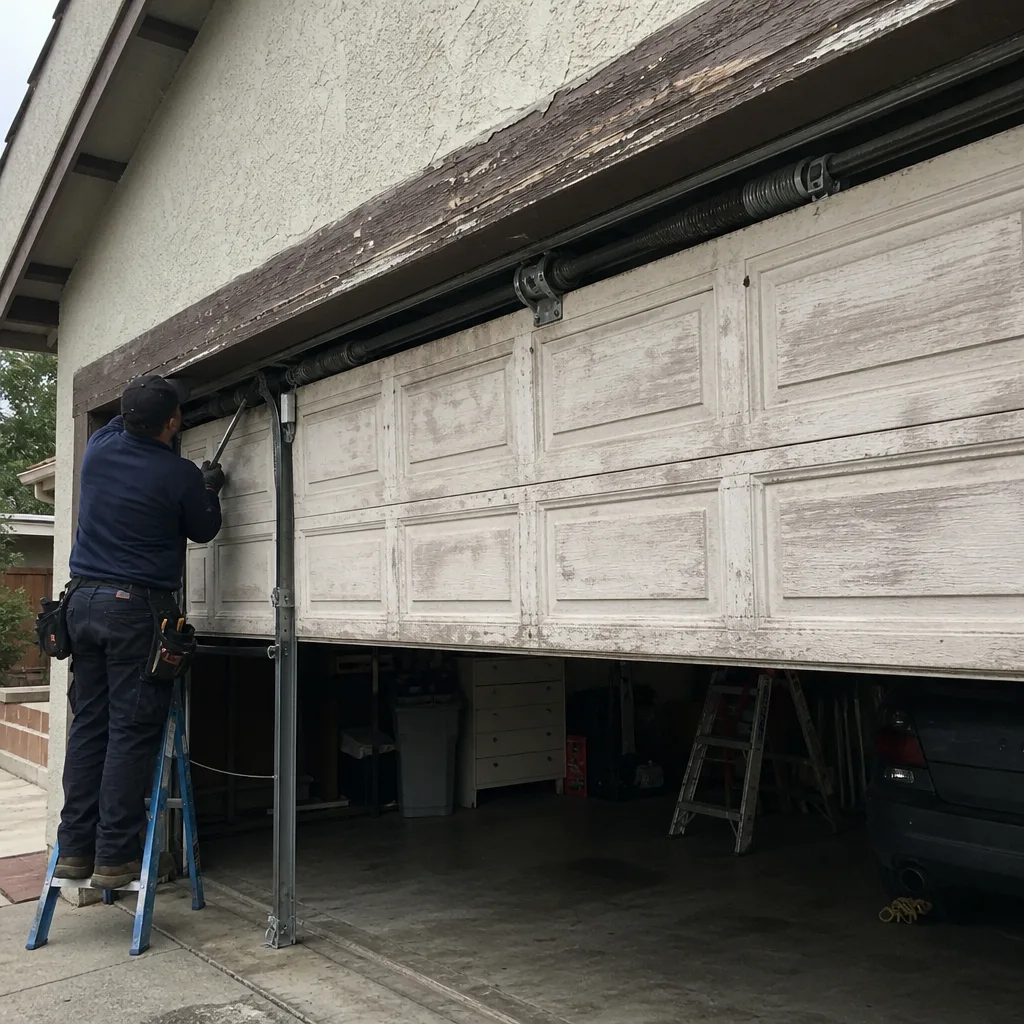 Before
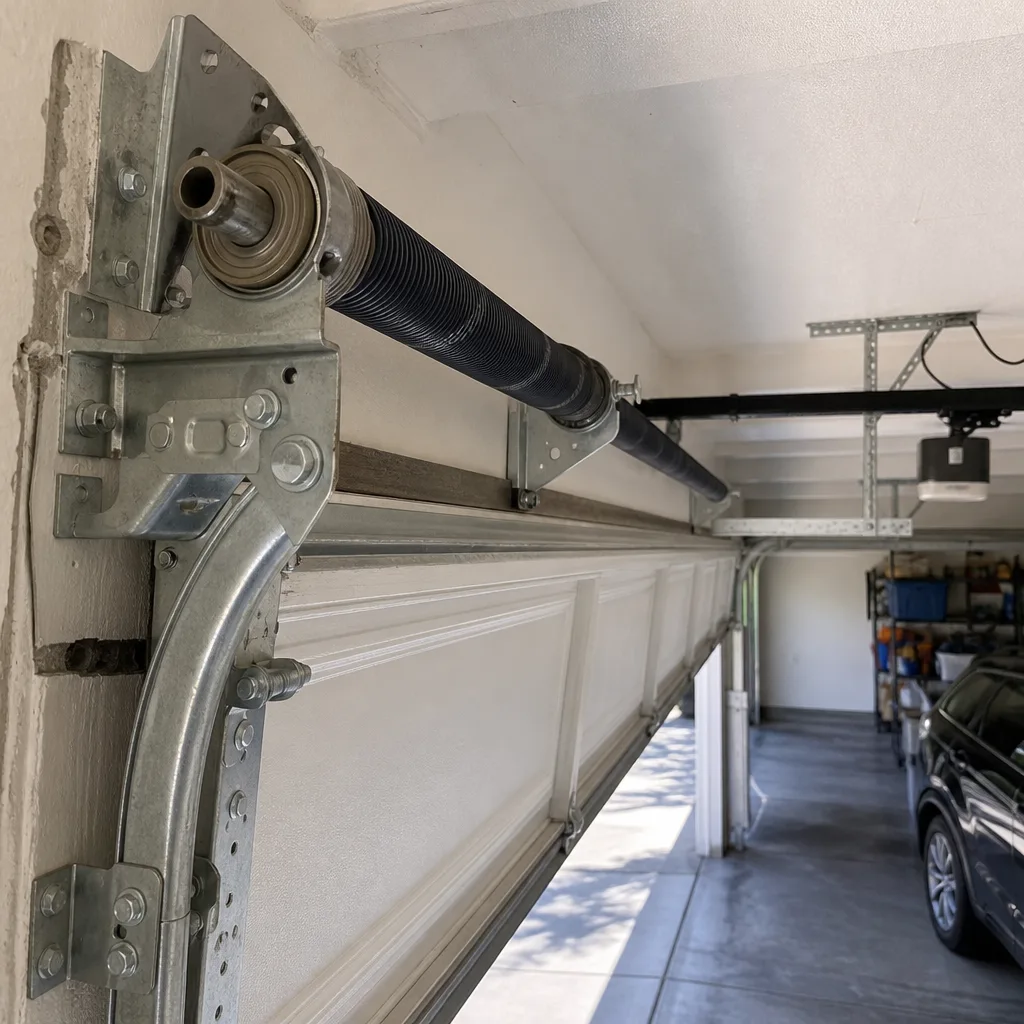 After
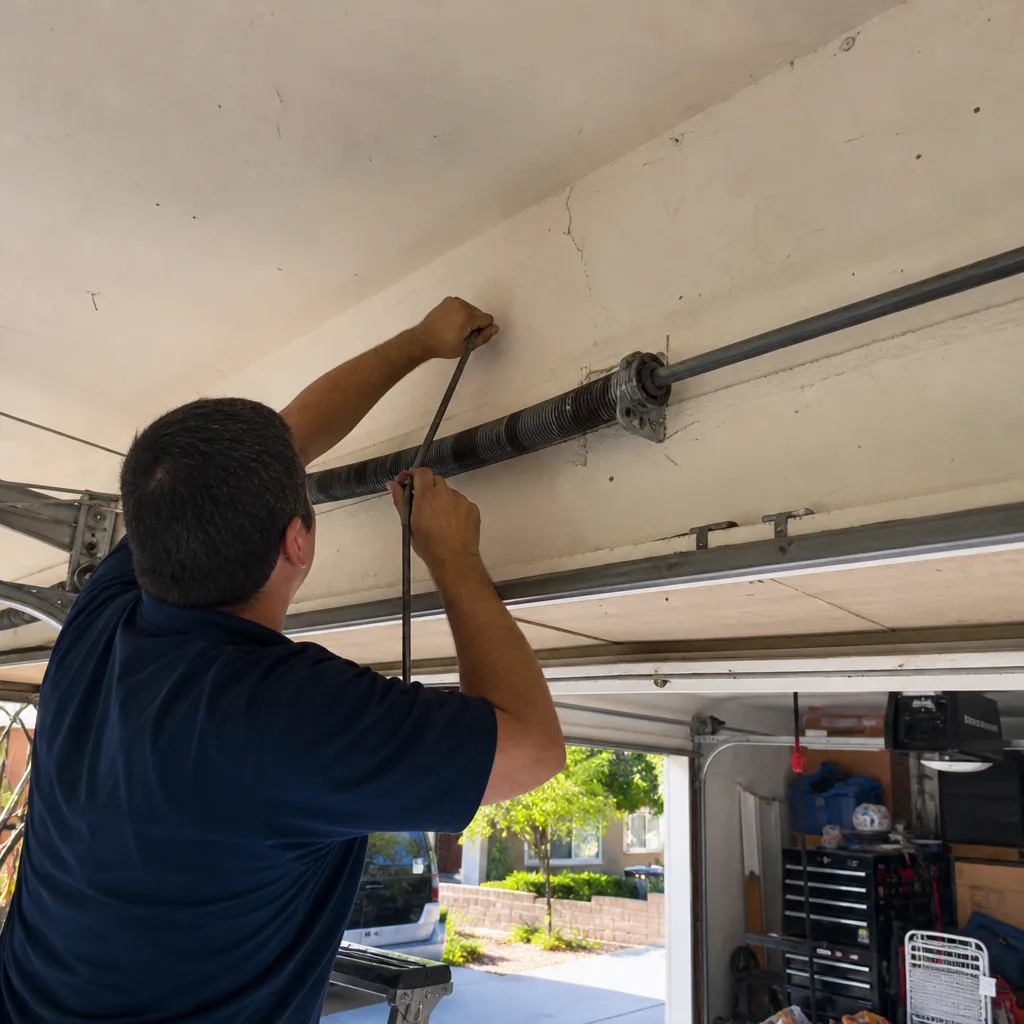 Before
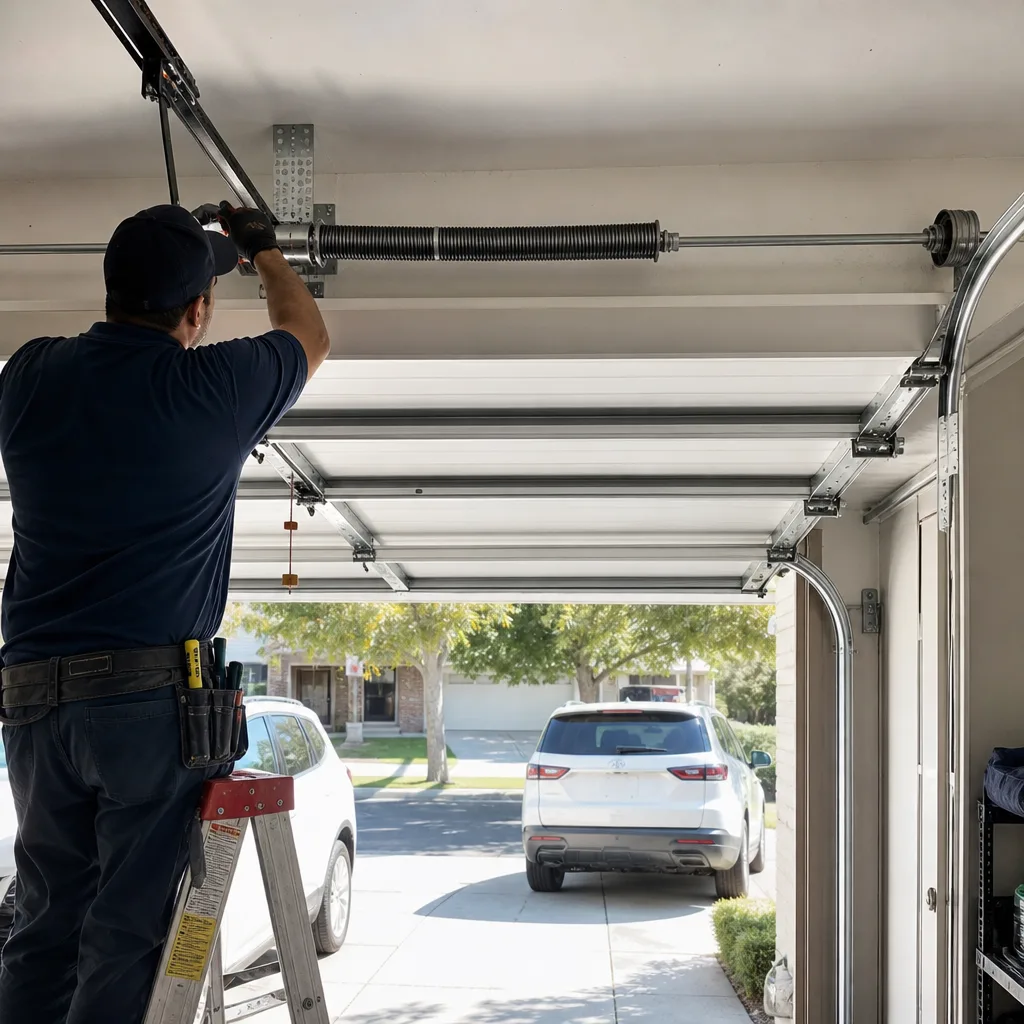 After
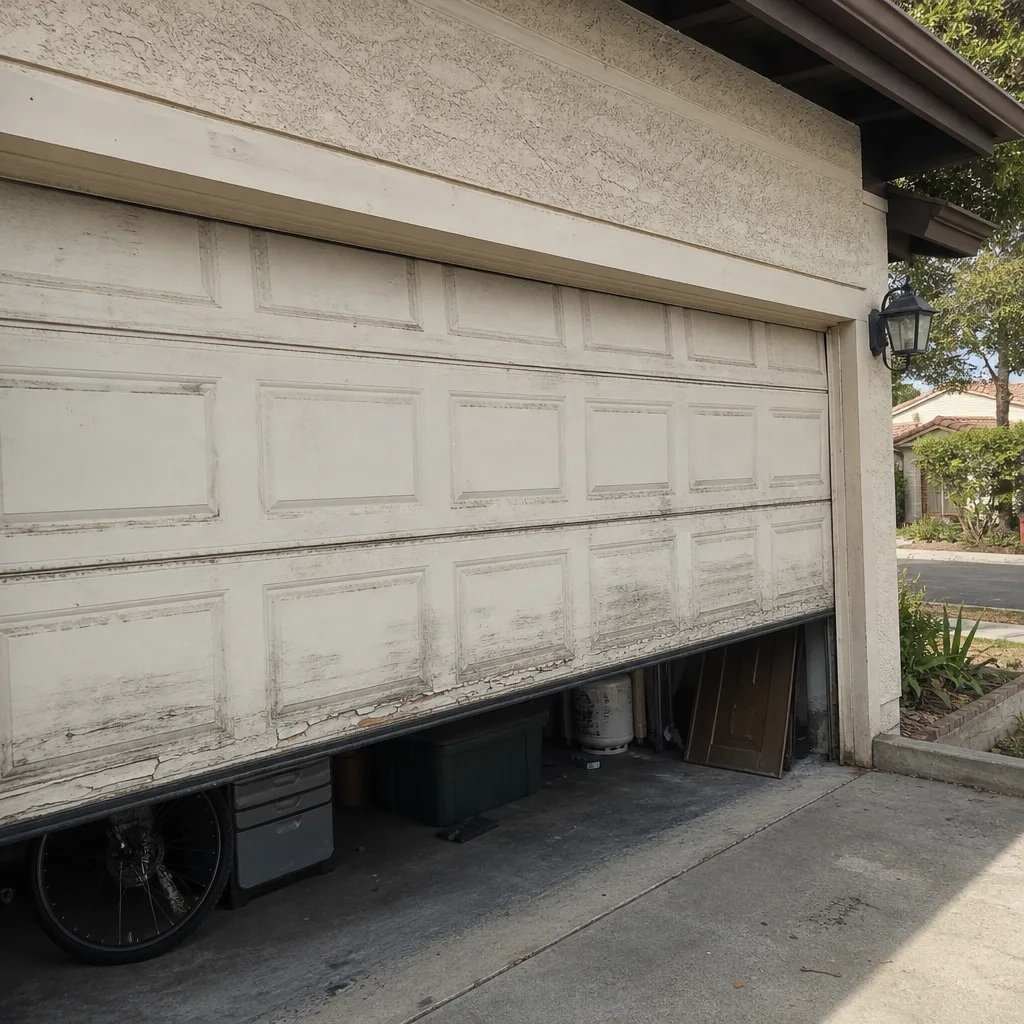 Before
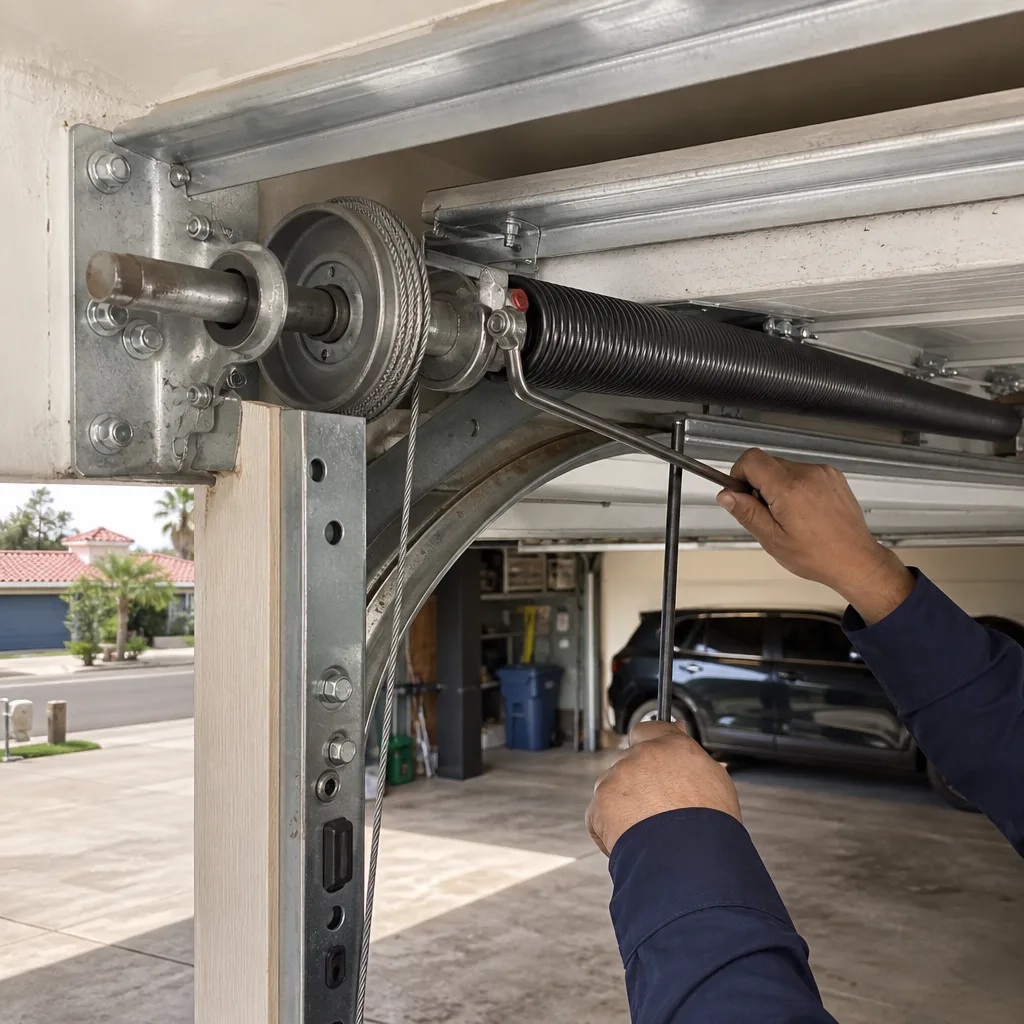 After